

Highly recommended
Never Split the Difference
Negotiating As If Your Life Depended On It
Negotiation lessons from an FBI hostage negotiator that work for salaries, purchases and family talks.
- Published 2016
- Easy read
- Stories and memoir
- 2 min analysis
As an Amazon Associate I earn from qualifying purchases.
Introduction
Chris Voss spent more than two decades at the FBI, including as its lead international kidnapping negotiator. In Never Split the Difference, written with journalist Tahl Raz, he argues that negotiation is not a rational exchange but an emotional one.
He shares techniques from hostage negotiation that apply to salaries, business deals and everyday disagreements.
Who should read this book?
Anyone who negotiates, including salespeople, managers, freelancers, parents, and people preparing for salary talks.
Helps with: Communicate and persuade, Lead and grow at work
The central message
Negotiation is about understanding emotions. Use tactical empathy to make the other side feel understood, and they'll be more open to your goals.
Key ideas and concepts
Tactical empathy
Understand the other side's feelings and perspective and show that you do.
Mirroring
Repeat the last few words someone said to encourage them to keep talking.
Labelling
Name emotions: 'It seems like you're frustrated.'
Calibrated questions
Ask 'how' and 'what' questions to make the other side solve your problem.
Getting to 'that's right'
Summarize their view so well they say 'That's right', signalling real understanding.
Deeper analysis
Never Split the Difference is engaging and practical, with vivid hostage and business stories and techniques that are easy to try. Mirroring and labelling work surprisingly well in everyday conversations, from salary talks to family disagreements, and the emphasis on tactical empathy reminds readers that negotiation is emotional, not purely rational.
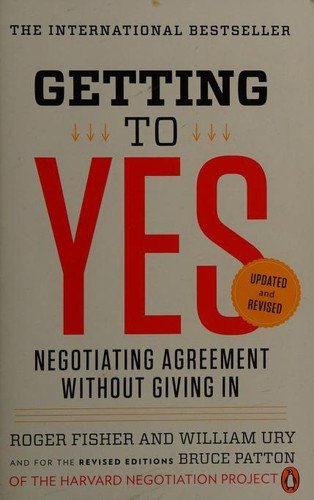
Some tactics can feel scripted or manipulative if used without genuine empathy, and the book's dismissal of other approaches, such as the interest-based method of Getting to Yes, is overstated; the two can complement each other. Hostage situations differ from most negotiations, where long-term relationships matter. Still, it's one of the most useful negotiation toolkits available.
Practical applications
- Mirror someone in your next conversation.
- Label an emotion during a disagreement.
- Ask a 'how' question instead of saying no.
- Summarize the other side's view.
- Prepare for a negotiation with calibrated questions.
Your 7-day action plan
- Day 1
Practise mirroring by repeating the last few words someone says.
- Day 2
Label an emotion in a conversation: 'It seems like…'
- Day 3
Replace a 'no' with a calibrated 'How am I supposed to do that?'
- Day 4
Summarize someone's view until they say 'That's right'.
- Day 5
Prepare for a real negotiation with three calibrated questions.
- Day 6
Negotiate something small, such as a bill or a deadline.
- Day 7
Reflect on which techniques felt natural and which felt forced.
Outcomes to expect
What readers who apply this book can realistically take away from it:
- Practical negotiation skills
- Better listening under pressure
- Awareness of emotions in negotiation
- Confidence in difficult conversations
Strengths and limitations
Strengths
- Engaging stories from hostage negotiation
- Practical techniques that are easy to try
- Emphasizes empathy and listening
- Useful for salary and business negotiations
Limitations
- Tactics can feel scripted or manipulative
- Overstates criticism of other approaches
- Hostage context differs from most negotiations
Reflection questions
- What emotions drive the other side?
- How could you show understanding?
- What 'how' question could you ask?
- When did you last split the difference?
Related books
How to Win Friends and Influence People
Dale Carnegie
The classic guide to getting along with people, still useful nearly a century later.
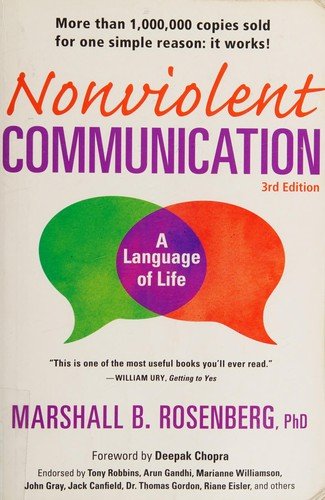
Nonviolent Communication
Marshall B. Rosenberg
Say what you need without blame, and hear others without defensiveness.

Compare: Never Split the Difference vs. How to Win Friends and Influence People
About the authors
Explore the book
Read reviews, see formats (print, Kindle, audiobook) and check the current price.
See it on AmazonAs an Amazon Associate I earn from qualifying purchases.
Book details (title, author, year) are factual. Everything under the headings above is MindsetProdigy's own editorial analysis and interpretation, written to help you decide whether to read the book and how to apply it. It is not a substitute for reading the book itself. Last updated September 28, 2026.