

Highly recommended
Switch
How to Change Things When Change Is Hard
Direct the rider, motivate the elephant, shape the path: a simple framework for change.
- Published 2010
- Easy read
- Science and research
- 2 min analysis
As an Amazon Associate I earn from qualifying purchases.
Introduction
In Switch, published in 2010, Chip and Dan Heath explore why change is hard and how to make it easier. They use psychologist Jonathan Haidt's metaphor of a Rider (rational mind) and an Elephant (emotional mind), plus the Path (environment).
The book applies to personal, organizational and social change.
Who should read this book?
Leaders, managers, parents and anyone trying to change behaviour.
Helps with: Build better habits, Lead and grow at work
The central message
Direct the Rider, motivate the Elephant, and shape the Path to make change happen.
Key ideas and concepts
Direct the Rider
The rational mind needs clear direction. Vague goals cause paralysis, so script the critical moves and point to a specific destination.
Motivate the Elephant
The emotional side provides the energy for change. Help people feel something, not just know something, and shrink the change so it feels doable.
Shape the Path
Change the environment so the right behaviour is easier, for example by adjusting the setting, building habits or rallying the group.
Find the bright spots
Instead of focusing on what's broken, study what's already working and copy it.
Grow your people
Cultivate an identity and a growth mindset that support the change.
Deeper analysis
Switch offers one of the most memorable frameworks for change. The Rider, Elephant and Path metaphor, borrowed from psychologist Jonathan Haidt, explains why knowing what to do isn't enough and gives readers three clear levers to pull. Its stories, from hospitals to schools to families, show the ideas working in many settings.
Some examples simplify complex change, and the framework can make deep organizational or social change seem easier than it is. Readers of other popular psychology books will find familiar ideas. Still, it's a practical, engaging guide to changing behaviour.
Practical applications
- Find a bright spot.
- Script critical moves.
- Engage emotions.
- Change the environment.
- Shrink the change.
Your 7-day action plan
- Day 1
Identify a change you want to make in yourself or your team.
- Day 2
Find bright spots where it's already working.
- Day 3
Script the first critical steps clearly.
- Day 4
Find the emotional reason the change matters.
- Day 5
Change the environment to make the new behaviour easier.
- Day 6
Shrink the change into a quick first win.
- Day 7
Reflect on progress and adjust.
Outcomes to expect
What readers who apply this book can realistically take away from it:
- A clear framework for planning change
- Specific first steps instead of vague goals
- Awareness of emotional and environmental factors
- Ability to spot and copy what's already working
Strengths and limitations
Strengths
- Memorable Rider, Elephant and Path framework
- Practical levers for personal and organizational change
- Stories from a wide range of settings
- Clear, engaging writing
Limitations
- Some examples simplify complex change
- Familiar ideas for popular psychology readers
- Story-heavy rather than research-heavy
Reflection questions
- What change do you want?
- What's working?
- How could you engage emotion?
- How could you shape the path?
Related books
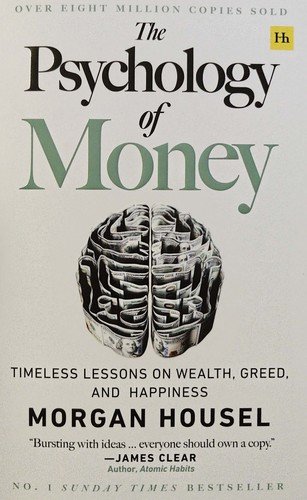
The Psychology of Money
Morgan Housel
Doing well with money has less to do with intelligence and more to do with behaviour. Short, memorable…
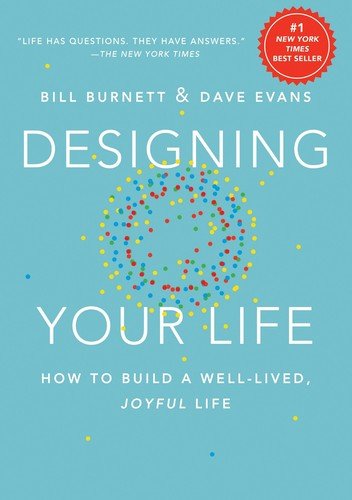
Designing Your Life
Bill Burnett and Dave Evans
Apply design thinking to your life: get curious, try things and prototype your way to a career you love.

About the authors
Explore the book
Read reviews, see formats (print, Kindle, audiobook) and check the current price.
See it on AmazonAs an Amazon Associate I earn from qualifying purchases.
Book details (title, author, year) are factual. Everything under the headings above is MindsetProdigy's own editorial analysis and interpretation, written to help you decide whether to read the book and how to apply it. It is not a substitute for reading the book itself. Last updated September 29, 2026.