
Essential read
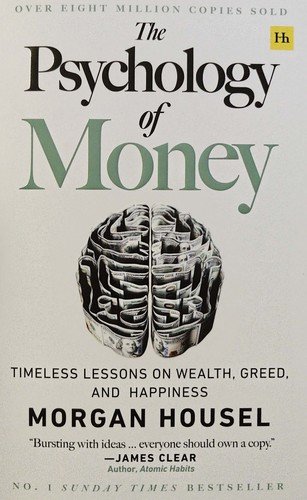
The Psychology of Money
Timeless Lessons on Wealth, Greed, and Happiness
Doing well with money has less to do with intelligence and more to do with behaviour. Short, memorable lessons on wealth.
- Published 2020
- Easy read
- Stories and memoir
- 2 min analysis
As an Amazon Associate I earn from qualifying purchases.
Introduction
Morgan Housel, a financial writer, uses short stories to show that how you behave with money matters more than what you know. Two people with the same income can end up in completely different places because of patience, fear, envy and the stories they tell themselves.
Each of the twenty chapters stands alone and takes about ten minutes to read. It's the money book people recommend to friends who say they hate reading about money.
Who should read this book?
Anyone, at any income, who wants a healthier relationship with money, including people who find finance books boring.
Helps with: Get my money right, Think and decide more clearly
The central message
Financial success depends more on behaviour, patience and humility than on intelligence or technical knowledge.
Key ideas and concepts
No one's crazy
People's money decisions make sense in light of their own experiences. Someone who lived through high inflation or a market crash sees risk differently from someone who didn't.
Luck and risk
Both play a bigger role in outcomes than we admit. Be careful about judging yourself or others purely by results.
Never enough
Knowing when you have enough protects you from taking risks that could cost you what you already have and need.
Compounding and staying power
Most of Warren Buffett's wealth came after age 65, Housel notes, because he started early and stayed invested for decades. Time is the key ingredient.
Wealth is what you don't see
Wealth is the money not spent: the car not bought, the savings not touched. Spending to show wealth reduces it.
Room for error
Plan for things to go wrong. A margin of safety, like savings and modest debt, lets you survive long enough for compounding to work.
Deeper analysis
The Psychology of Money's strength is its humility. Instead of formulas or stock tips, Housel uses short, story-driven chapters to show that money success depends mostly on behaviour: patience, avoiding ruin, controlling ego and knowing what enough is. Readers across income levels find it relatable, and its ideas are memorable enough to change habits.
It offers little step-by-step guidance; readers looking for a budgeting system or specific investment instructions will need other books. Some stories, like those of famous investors, are selected to illustrate points and can oversimplify. And because it focuses on individual behaviour, it says less about wages, costs of living or other structural constraints. As a foundation for thinking about money, it's one of the best.
Practical applications
- Write down what enough means for you.
- Build an emergency fund that gives room for error.
- Automate long-term investing and leave it alone.
- Notice when envy drives spending decisions.
Your 7-day action plan
- Day 1
Reflect on how your upbringing shaped your money beliefs.
- Day 2
Define what enough looks like.
- Day 3
Calculate months of expenses you have saved.
- Day 4
Set up an automatic transfer to savings.
- Day 5
Review one purchase driven by status.
- Day 6
Read about long-term compounding.
- Day 7
Write three money principles for yourself.
Outcomes to expect
What readers who apply this book can realistically take away from it:
- A healthier, calmer relationship with money
- Understanding of how behaviour drives wealth
- Patience and a long-term perspective
- A personal definition of enough
Strengths and limitations
Strengths
- Humble, wise and balanced
- Short, memorable story-driven chapters
- Relevant regardless of income level
- Helps readers define 'enough'
Limitations
- Little step-by-step guidance
- Selected stories can oversimplify
- Says little about structural financial pressures
Reflection questions
- What does enough look like to you?
- Which money habits did you inherit?
- Where is envy influencing your spending?
Related books
The Little Book of Common Sense Investing
John C. Bogle
The founder of the first index fund for ordinary investors explains why low-cost index investing works.


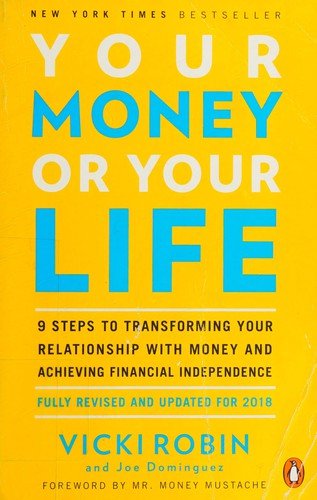

Compare: The Psychology of Money vs. Rich Dad Poor Dad
Part of the reading path: Develop Financial Intelligence
About the author
Explore the book
Read reviews, see formats (print, Kindle, audiobook) and check the current price.
See it on AmazonAs an Amazon Associate I earn from qualifying purchases.
Book details (title, author, year) are factual. Everything under the headings above is MindsetProdigy's own editorial analysis and interpretation, written to help you decide whether to read the book and how to apply it. It is not a substitute for reading the book itself. Last updated September 28, 2026.