

Essential read
The Little Book of Common Sense Investing
The Only Way to Guarantee Your Fair Share of Stock Market Returns
The founder of the first index fund for ordinary investors explains why low-cost index investing works.
- Published 2007
- Easy read
- Practical guidance
- 2 min analysis
As an Amazon Associate I earn from qualifying purchases.
Introduction
John C. Bogle founded The Vanguard Group in 1975 and launched one of the first index funds available to ordinary investors, an idea many in the industry mocked at the time. The Little Book of Common Sense Investing, first published in 2007 and updated in 2017, makes his case for index investing.
Bogle argues that because investors as a group earn the market's return before costs, the best way for most people to succeed is to own the whole market at the lowest possible cost.
Who should read this book?
Beginner and intermediate investors, anyone paying high fees for managed funds, and readers who want a clear, evidence-based approach from a pioneer of the field.
Helps with: Get my money right
The central message
Don't look for the needle; buy the haystack. Owning a low-cost, broadly diversified index fund and holding it for the long term is the most reliable approach for most investors.
Key ideas and concepts
The relentless rules of humble arithmetic
Before costs, investors as a group earn the market return. After costs, the average investor must earn less, so lower costs mean higher returns.
Costs matter
Fees, trading costs and taxes compound over decades and can consume a large share of returns.
Most active funds underperform
Bogle presents data showing that most actively managed funds fail to beat their index over long periods, and that past winners rarely stay winners.
Buy the haystack
Rather than trying to find winning stocks or funds, own a fund that holds the whole market.
Stay the course
Avoid reacting to market swings and stick with your plan over decades.
Deeper analysis
Bogle's book is clear, convincing and backed by decades of evidence. The arithmetic of costs is simple but powerful, and his argument has been influential enough that index funds are now among the most popular investments in the world. For readers paying high fees, it can be genuinely eye-opening.
The book is repetitive, with the same message made many ways, and it is US-focused in its data and examples. Bogle also takes strong positions, for example against exchange-traded funds used for frequent trading, that some readers will find narrow. It doesn't cover broader financial planning. Still, it's one of the most important books for everyday investors; as always, this is general education rather than personal advice.
Practical applications
- Check the annual fees on every fund you own.
- Compare your funds' long-term performance with a broad index.
- Learn what a total market index fund holds.
- Write down your plan for staying invested during downturns.
- Avoid checking your investments daily.
Your 7-day action plan
- Day 1
List your investments and their fees.
- Day 2
Calculate what those fees cost over 30 years.
- Day 3
Learn how index funds work.
- Day 4
Compare an actively managed fund with its index.
- Day 5
Consider your asset allocation.
- Day 6
Write a 'stay the course' plan.
- Day 7
Reflect on what changes, if any, you want to explore.
Outcomes to expect
What readers who apply this book can realistically take away from it:
- Clear understanding of index investing
- Awareness of how costs affect returns
- A simple, long-term investing approach
- Calm during market swings
Strengths and limitations
Strengths
- Clear, evidence-based argument
- Written by the pioneer of index investing
- Simple, actionable message
- Highly influential
Limitations
- Repetitive
- US-focused data and examples
- Narrow focus on investing rather than broader planning
Reflection questions
- How much are you paying in investment fees?
- Are you trying to find the needle instead of buying the haystack?
- How do you react when markets fall?
- What would staying the course look like for you?
Related books
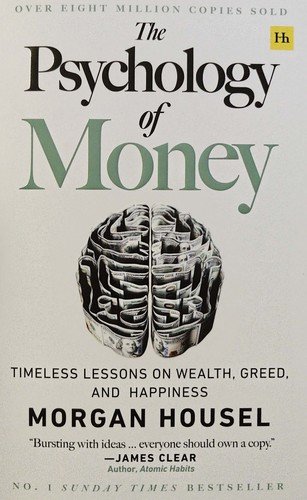
The Psychology of Money
Morgan Housel
Doing well with money has less to do with intelligence and more to do with behaviour. Short, memorable…
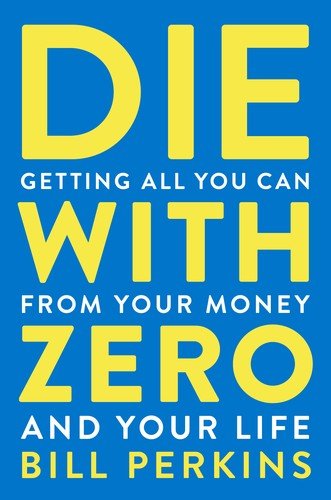
Die with Zero
Bill Perkins
Money is only valuable for the experiences it buys. Plan to use it while you can enjoy it.

About the author
Explore the book
Read reviews, see formats (print, Kindle, audiobook) and check the current price.
See it on AmazonAs an Amazon Associate I earn from qualifying purchases.
Book details (title, author, year) are factual. Everything under the headings above is MindsetProdigy's own editorial analysis and interpretation, written to help you decide whether to read the book and how to apply it. It is not a substitute for reading the book itself. Last updated September 28, 2026.