

Highly recommended
The Scout Mindset
Why Some People See Things Clearly and Others Don't
Scouts want to see what's really there; soldiers defend what they already believe. How to be more of a scout.
- Published 2021
- Moderate
- Science and research
- 2 min analysis
As an Amazon Associate I earn from qualifying purchases.
Introduction
Julia Galef co-founded the Center for Applied Rationality and hosted the Rationally Speaking podcast. The Scout Mindset, published in 2021, explores why some people see things clearly while others deceive themselves.
She contrasts the 'soldier mindset', defending beliefs, with the 'scout mindset', seeking to see what's true.
Who should read this book?
Anyone interested in clearer thinking, better decisions and intellectual honesty.
Helps with: Think and decide more clearly
The central message
The scout mindset, wanting to see things as they are, leads to better decisions and happier lives.
Key ideas and concepts
Soldier and scout
In 'soldier mindset', we defend our beliefs against threats. In 'scout mindset', we try to see what's really there, even if it's unwelcome.
Self-deception has costs
Comfortable beliefs can feel good in the moment but lead to worse decisions about health, money and relationships.
Calibration
Good thinkers match their confidence to the evidence and are comfortable saying 'I'm 70% sure'.
Tests for bias
Galef offers tests such as the double standard test (would I judge this the same if the other side did it?) and the outsider test.
Hold identity lightly
When beliefs become part of who we are, it's harder to change them. Holding identities lightly makes us better thinkers.
Deeper analysis
The Scout Mindset is clear, thoughtful and practical. Galef shows that seeing the world accurately isn't just about intelligence but about motivation, and she argues convincingly that scouts tend to be happier, not more anxious. Her tests for spotting bias are simple and genuinely useful, and her tone is generous rather than preachy.
Some readers want more on the emotional and social obstacles to changing beliefs, such as fear of losing community. Parts can feel abstract, and some examples repeat. Still, it's one of the best modern books on intellectual honesty.
Practical applications
- Use the double standard test.
- Calibrate confidence.
- Hold beliefs lightly.
- Seek disconfirming evidence.
- Admit a mistake.
Your 7-day action plan
- Day 1
Learn the difference between soldier and scout mindset.
- Day 2
Notice moments of soldier thinking in yourself.
- Day 3
Use the double standard test on a current opinion.
- Day 4
Rate your confidence in three beliefs as percentages.
- Day 5
Seek out a thoughtful person who disagrees with you.
- Day 6
Admit one mistake openly.
- Day 7
Reflect on what you changed your mind about.
Outcomes to expect
What readers who apply this book can realistically take away from it:
- Clearer, more honest thinking
- Better-calibrated confidence
- Tools to catch your own biases
- More open, productive disagreements
Strengths and limitations
Strengths
- Clear, generous and thoughtful
- Practical tests for spotting your own bias
- Argues that accuracy and happiness can go together
- Useful for decisions and disagreements
Limitations
- Less on the social costs of changing beliefs
- Abstract in places
- Some repetition
Reflection questions
- Where are you a soldier?
- How calibrated are you?
- Which beliefs are identity?
- When did you change your mind?
Related books
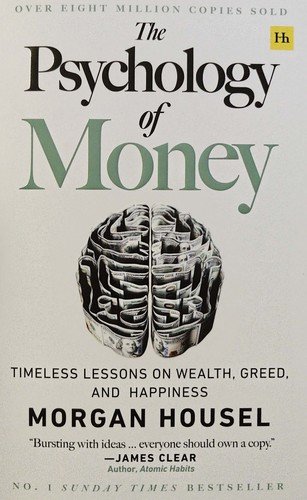
The Psychology of Money
Morgan Housel
Doing well with money has less to do with intelligence and more to do with behaviour. Short, memorable…
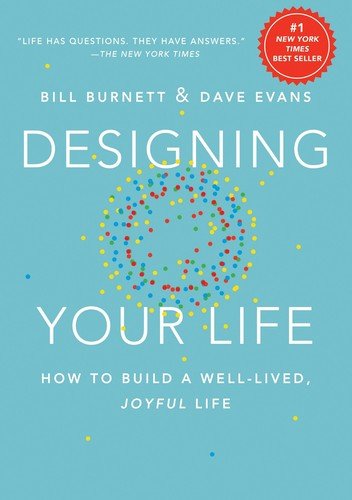
Designing Your Life
Bill Burnett and Dave Evans
Apply design thinking to your life: get curious, try things and prototype your way to a career you love.

About the author
Explore the book
Read reviews, see formats (print, Kindle, audiobook) and check the current price.
See it on AmazonAs an Amazon Associate I earn from qualifying purchases.
Book details (title, author, year) are factual. Everything under the headings above is MindsetProdigy's own editorial analysis and interpretation, written to help you decide whether to read the book and how to apply it. It is not a substitute for reading the book itself. Last updated September 29, 2026.