
Highly recommended
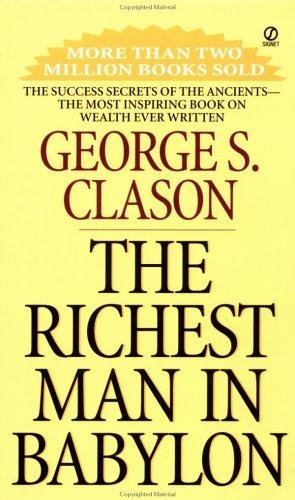
The Richest Man in Babylon
Ancient parables with money rules that still work today: pay yourself first and make your money work.
- Published 1926
- Easy read
- Stories and memoir
- 2 min analysis
As an Amazon Associate I earn from qualifying purchases.
Introduction
George S. Clason wrote a series of pamphlets in the 1920s, set in ancient Babylon, to teach simple money lessons. They were collected as The Richest Man in Babylon, which has remained in print for nearly a century.
Through parables, such as the story of Arkad, a scribe who becomes the city's richest man, Clason presents timeless principles of saving, investing and avoiding debt.
Who should read this book?
Beginners who want simple, memorable money principles, younger readers, and anyone who prefers stories to technical finance.
Helps with: Get my money right
The central message
Pay yourself first, control spending, make your money work for you, protect it from loss, and increase your ability to earn.
Key ideas and concepts
A part of all you earn is yours to keep
Arkad's first lesson: save at least a tenth of everything you earn before spending anything.
Control your expenditures
Distinguish necessary expenses from desires, and budget so that spending doesn't rise to match income.
Make your gold multiply
Put savings to work in sound investments so that money earns more money.
Guard your treasures from loss
Avoid get-rich-quick schemes, and seek advice from people experienced in handling money.
Increase your ability to earn
Keep learning and improving skills so your income can grow.
Deeper analysis
The Richest Man in Babylon endures because its lessons are simple, sound and wrapped in memorable stories. 'Pay yourself first' remains one of the most effective money habits, and the warnings against risky schemes and borrowing beyond your means are timeless. Its parable format makes it accessible to readers who find finance intimidating.
The ancient setting and old-fashioned language feel quaint, and the book gives no specific guidance on modern tools like index funds, retirement accounts or credit. Some parables are repetitive. Read it as a gentle, foundational introduction to good money habits, then follow up with modern practical guides.
Practical applications
- Set up an automatic transfer of 10% of income to savings.
- Write down your expenses and separate needs from wants.
- Research a low-risk, diversified way to invest savings.
- Avoid any investment that promises fast, guaranteed returns.
- Invest in a skill that could increase your income.
Your 7-day action plan
- Day 1
Calculate 10% of your monthly income.
- Day 2
Set up automatic saving.
- Day 3
Review spending and separate needs from wants.
- Day 4
Learn about one diversified investment option.
- Day 5
Check whether you have any high-risk investments.
- Day 6
Choose a skill that could raise your income.
- Day 7
Reflect on your money habits.
Outcomes to expect
What readers who apply this book can realistically take away from it:
- A habit of paying yourself first
- Better control of spending
- Awareness of investment risk
- Commitment to increasing earning power
Strengths and limitations
Strengths
- Simple, timeless principles
- Memorable parables
- Accessible for beginners
- Short and easy to read
Limitations
- Quaint, old-fashioned style
- No guidance on modern financial tools
- Repetitive in places
Reflection questions
- Do you pay yourself first?
- Which expenses are needs, and which are desires?
- How is your money working for you?
- How could you increase your ability to earn?
Related books
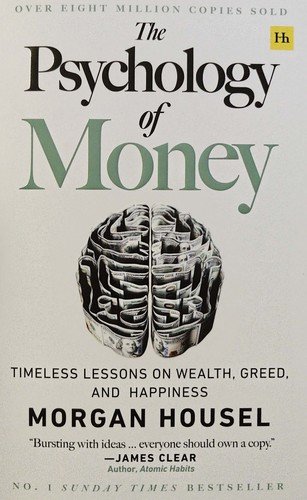
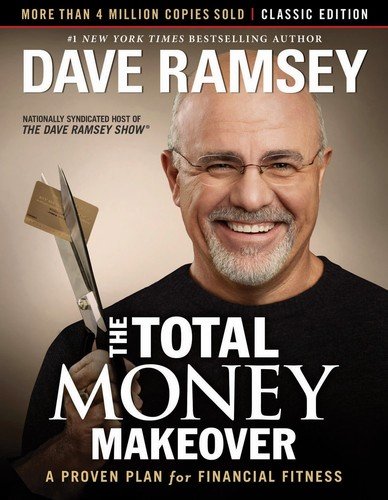
The Little Book of Common Sense Investing
John C. Bogle
The founder of the first index fund for ordinary investors explains why low-cost index investing works.
The Simple Path to Wealth
JL Collins
Investing doesn't have to be complicated. The plain-English guide to index funds and financial freedom.


About the author
Explore the book
Read reviews, see formats (print, Kindle, audiobook) and check the current price.
See it on AmazonAs an Amazon Associate I earn from qualifying purchases.
Book details (title, author, year) are factual. Everything under the headings above is MindsetProdigy's own editorial analysis and interpretation, written to help you decide whether to read the book and how to apply it. It is not a substitute for reading the book itself. Last updated September 28, 2026.