
Recommended
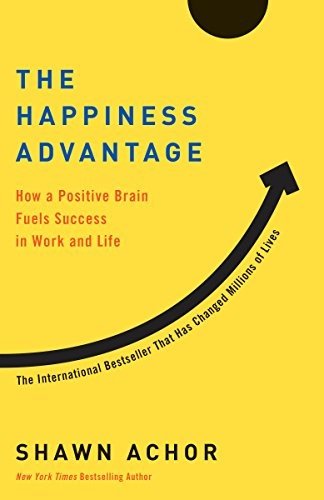
The Happiness Advantage
How a Positive Brain Fuels Success in Work and Life
Happiness fuels success, not the other way round. Seven principles from positive psychology applied to work.
- Published 2010
- Easy read
- Science and research
- 2 min analysis
As an Amazon Associate I earn from qualifying purchases.
Introduction
Shawn Achor, who studied and taught at Harvard, argues that we've got the formula backwards. We think success brings happiness, but research in positive psychology suggests that happiness and a positive mindset help drive success.
He presents seven principles for using a positive mindset at work.
Who should read this book?
Professionals, managers and students who want to perform better and feel better, especially in stressful environments.
Helps with: Calm stress and anxiety, Lead and grow at work, Stay motivated
The central message
A positive brain performs better. Cultivating happiness first can improve productivity, creativity and resilience.
Key ideas and concepts
The Happiness Advantage
Positive emotions broaden our thinking and help us see more possibilities. Achor argues that a happy brain is more creative, energetic and productive than a negative or stressed one.
The Fulcrum and the Lever
Your mindset acts like a fulcrum: change how you view your circumstances and your ability to act on them changes too.
The Tetris Effect
Just as gamers start seeing falling blocks everywhere, we can train our brains to notice positives, for example by writing down three good things each day.
Falling Up
After a setback, there are three paths: staying put, getting worse, or using the experience to grow. Look for the path up.
The Zorro Circle and Social Investment
Regain control by focusing on small, manageable goals first, and invest in relationships, one of the strongest predictors of wellbeing.
Deeper analysis
The Happiness Advantage turned positive psychology research into accessible habits for the workplace. Its central argument, that happiness can fuel success rather than only result from it, is useful for people who postpone wellbeing until they've 'made it'. The exercises, such as gratitude journaling, short bursts of exercise, meditation and acts of kindness, are simple, inexpensive and supported by at least some research.
The book overstates the strength of some findings and leans on studies that have since been questioned or have small effects. Its upbeat focus can also feel dismissive of real problems such as toxic workplaces, financial stress or depression, which positive thinking alone can't solve. Treat it as a source of helpful daily habits rather than a promise that a positive mindset guarantees success.
Practical applications
- Write three good things each evening.
- Do one act of kindness a day.
- Exercise for 15 minutes.
- Reach out to a colleague or friend.
- Reframe a setback as an opportunity to learn.
Your 7-day action plan
- Day 1
Write three good things.
- Day 2
Do a random act of kindness.
- Day 3
Take a short walk or exercise.
- Day 4
Reach out to someone.
- Day 5
Reframe a recent setback.
- Day 6
Meditate for five minutes.
- Day 7
Reflect on any changes in mood.
Outcomes to expect
What readers who apply this book can realistically take away from it:
- A daily habit of noticing what's going well
- More resilience after setbacks
- Stronger social connections at work and at home
- A more positive, energized approach to work
Strengths and limitations
Strengths
- Makes positive psychology accessible and practical
- Simple exercises that take only minutes a day
- Engaging stories from Achor's work at Harvard and with companies
- Encourages investing in relationships
Limitations
- Overstates the strength of some research
- Can seem to dismiss real problems and difficult circumstances
- Some ideas are simplified for a general audience
Reflection questions
- Do you wait for success to feel happy?
- What positives do you overlook?
- Who supports you?
- How could you fall up from a setback?
Related books
Mindset
Carol S. Dweck
Believing you can grow is the first step to actually growing. The landmark book on fixed versus growth…
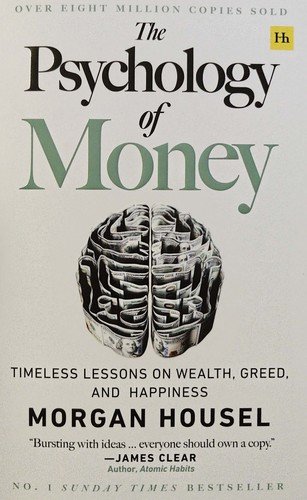
The Psychology of Money
Morgan Housel
Doing well with money has less to do with intelligence and more to do with behaviour. Short, memorable…


About the author
Explore the book
Read reviews, see formats (print, Kindle, audiobook) and check the current price.
See it on AmazonAs an Amazon Associate I earn from qualifying purchases.
Book details (title, author, year) are factual. Everything under the headings above is MindsetProdigy's own editorial analysis and interpretation, written to help you decide whether to read the book and how to apply it. It is not a substitute for reading the book itself. Last updated September 27, 2026.