
Recommended
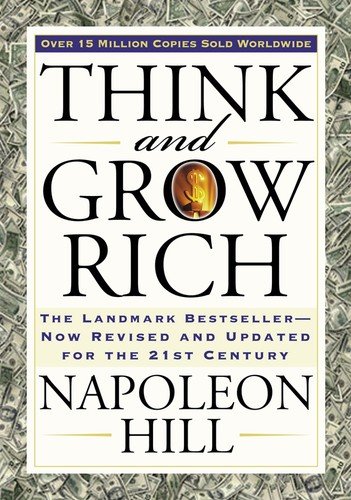
Think and Grow Rich
A classic on how desire, persistence and belief turn goals into results.
- Published 1937
- Moderate
- Philosophy and ideas
- 2 min analysis
As an Amazon Associate I earn from qualifying purchases.
Introduction
Napoleon Hill published Think and Grow Rich in 1937, during the Great Depression. He claimed to have studied hundreds of successful people, at the encouragement of industrialist Andrew Carnegie, and distilled their methods into 13 principles.
Historians have questioned many of Hill's claims about his life and his access to famous figures, but the book became one of the best-selling self-help titles of all time and shaped much of the success literature that followed.
Who should read this book?
Ambitious readers who enjoy classic success literature.
Helps with: Get my money right, Stay motivated
The central message
A definite purpose, strong desire, faith and persistence, combined with planning and collaboration, lead to achievement.
Key ideas and concepts
Desire
A burning desire for a definite goal is the starting point of achievement.
Faith and autosuggestion
Hill recommends repeating your goal and visualizing it daily to build belief.
Specialized knowledge and planning
Knowledge is only power when organized into plans and action.
Persistence
Most people give up too early. Hill argues persistence is essential.
The mastermind
Surround yourself with a group of people who share knowledge and support each other.
Deeper analysis
Think and Grow Rich has inspired generations. Its emphasis on a clear goal, persistence and mastermind groups remains useful, and the mastermind idea in particular has become a lasting practice among entrepreneurs.
The book is dated and often mystical, with chapters on a 'sixth sense' and sexual energy, and its claims about attracting wealth through thought lack evidence. Its account of Hill's research is unreliable. Read for its motivational core and the mastermind concept, while setting aside the unsupported claims.
Practical applications
- Write a specific goal and deadline.
- Read it aloud daily.
- Form a small mastermind group.
- Plan concrete steps toward the goal.
Your 7-day action plan
- Day 1
Write one definite goal, with a deadline and what you'll give in return.
- Day 2
Read your goal aloud morning and evening.
- Day 3
Identify the specialized knowledge you need to reach it.
- Day 4
Write a simple plan of action, step by step.
- Day 5
Identify two or three people who could form a mastermind group.
- Day 6
Reach out to one of them.
- Day 7
Reflect on what persistence will require from you.
Outcomes to expect
What readers who apply this book can realistically take away from it:
- A definite, written goal
- Persistence through setbacks
- A support network or mastermind group
- Motivation to act
Strengths and limitations
Strengths
- Classic motivational text
- Useful emphasis on clear goals and persistence
- Introduced the mastermind group
- Inspiring tone
Limitations
- Dated and sometimes mystical
- Claims lack evidence
- Questions about the author's honesty and sources
Reflection questions
- What exactly do you want?
- Who could be in your mastermind?
- When do you give up?
Related books
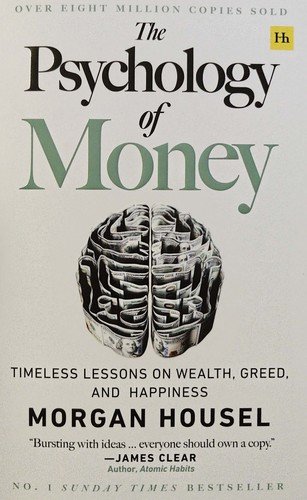
The Psychology of Money
Morgan Housel
Doing well with money has less to do with intelligence and more to do with behaviour. Short, memorable…
The Little Book of Common Sense Investing
John C. Bogle
The founder of the first index fund for ordinary investors explains why low-cost index investing works.



About the author
Explore the book
Read reviews, see formats (print, Kindle, audiobook) and check the current price.
See it on AmazonAs an Amazon Associate I earn from qualifying purchases.
Book details (title, author, year) are factual. Everything under the headings above is MindsetProdigy's own editorial analysis and interpretation, written to help you decide whether to read the book and how to apply it. It is not a substitute for reading the book itself. Last updated September 28, 2026.