
Recommended
The Wealthy Barber
Everyone's Commonsense Guide to Becoming Financially Independent
A Canadian classic that teaches money basics through conversations with a small-town barber.
- Published 1989
- Easy read
- Stories and memoir
- 1 min analysis
As an Amazon Associate I earn from qualifying purchases.
Introduction
David Chilton, a Canadian financial writer, published The Wealthy Barber in 1989. It became one of the best-selling books in Canadian publishing history and was later updated as The Wealthy Barber Returns.
The book uses a story: a group of friends visit Roy, a barber in Sarnia, Ontario, who explains how he built wealth on an ordinary income.
Who should read this book?
Beginners, especially Canadians, who prefer learning money basics through a story.
Helps with: Get my money right
The central message
Ordinary people can build wealth by saving a portion of everything they earn, investing it sensibly and planning ahead.
Key ideas and concepts
Pay yourself first
Save a portion of every paycheque before spending.
Compound growth
Starting early makes a big difference over time.
Plan for retirement
Use tax-advantaged accounts to save for the long term.
Insurance and wills
Protect yourself and your family.
Simple is effective
You don't need to be an expert to do well with money.
Deeper analysis
The Wealthy Barber made personal finance approachable for millions of Canadians, and its story format makes basic principles stick.
The original edition is dated, with old interest rates and product details, and the story can feel folksy. Readers should check current Canadian rules for RRSPs and TFSAs, which arrived later. The Wealthy Barber Returns offers a more recent take.
Practical applications
- Set up an automatic savings transfer.
- Review whether you have a will.
- Check your insurance coverage.
- Learn about tax-advantaged accounts in your country.
- Talk money with someone you trust.
Your 7-day action plan
- Day 1
Pay yourself first.
- Day 2
Review your budget.
- Day 3
Learn about compound growth.
- Day 4
Check retirement accounts.
- Day 5
Review insurance.
- Day 6
Start or update a will.
- Day 7
Reflect on progress.
Outcomes to expect
What readers who apply this book can realistically take away from it:
- Basic financial literacy
- Consistent saving
- Better protection
- Confidence with money
Strengths and limitations
Strengths
- Engaging story
- Approachable
- Canadian perspective
- Classic
Limitations
- Dated details
- Folksy tone
- Simple advice for experienced readers
Reflection questions
- Do you pay yourself first?
- When did you start saving?
- Is your family protected?
- Who taught you about money?
Related books
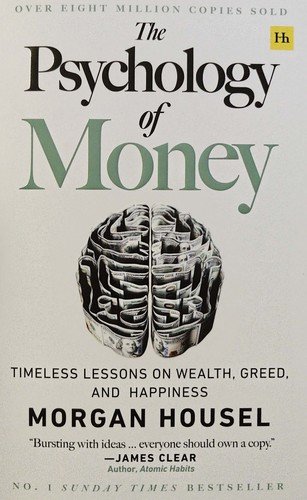
The Psychology of Money
Morgan Housel
Doing well with money has less to do with intelligence and more to do with behaviour. Short, memorable…
About the author
Explore the book
Read reviews, see formats (print, Kindle, audiobook) and check the current price.
See it on AmazonAs an Amazon Associate I earn from qualifying purchases.
Book details (title, author, year) are factual. Everything under the headings above is MindsetProdigy's own editorial analysis and interpretation, written to help you decide whether to read the book and how to apply it. It is not a substitute for reading the book itself. Last updated October 1, 2026.