
Highly recommended
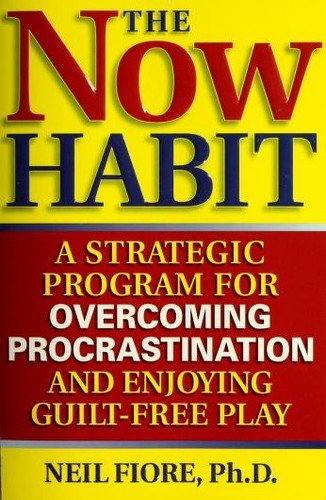
The Now Habit
A Strategic Program for Overcoming Procrastination and Enjoying Guilt-Free Play
Procrastination is a way of coping with fear. Learn to start without anxiety, and make time for guilt-free play.
- Published 1988
- Easy read
- Practical guidance
- 2 min analysis
As an Amazon Associate I earn from qualifying purchases.
Introduction
Psychologist Neil Fiore wrote The Now Habit in 1988 based on his work helping people overcome procrastination. He argues that procrastination is not laziness but a way of coping with fear, especially fear of failure, perfectionism and feeling overwhelmed.
The book's best-known tool is the 'Unschedule', which plans leisure first and records work as it happens.
Who should read this book?
Chronic procrastinators, especially perfectionists, students and people whose avoidance is driven by anxiety.
Helps with: Beat procrastination, Calm stress and anxiety
The central message
Procrastination is a way to escape fear. Reduce the fear and you reduce procrastination, using guilt-free play, self-talk and short bursts of quality work.
Key ideas and concepts
Procrastination as coping
We delay tasks to avoid the anxiety of failing or being judged.
The Unschedule
Schedule leisure, commitments and social time first, then track 30-minute blocks of quality work.
Guilt-free play
Planned enjoyment reduces resentment and makes work feel less overwhelming.
Self-talk
Replace 'I have to' with 'I choose to', and 'I must finish' with 'When can I start?'
Start small
Focus on starting for 30 minutes rather than finishing the whole project.
Deeper analysis
The Now Habit stands out for treating procrastination as a psychological issue rather than a time-management failure. Fiore's view that we procrastinate to escape fear, of failure, judgement or even success, helps readers approach the habit with compassion, and his Unschedule, which plans leisure first and tracks 30-minute blocks of quality work, cleverly reverses the usual cycle of guilt and avoidance.
The book is dated in style, and some exercises feel clinical. It focuses on fear-based procrastination and says less about other causes, such as unclear tasks, low interest or ADHD. Still, it remains one of the most insightful books on the topic, particularly for perfectionists.
Practical applications
- Schedule your fun and commitments first this week.
- Work in 30-minute blocks and track them.
- Change 'I have to' to 'I choose to'.
- Ask 'When can I start?' instead of 'When will I finish?'
- Reward each work session with something you enjoy.
Your 7-day action plan
- Day 1
Notice what you avoid and what you fear.
- Day 2
Create an Unschedule for the week.
- Day 3
Work in one 30-minute block.
- Day 4
Practise new self-talk phrases.
- Day 5
Plan guilt-free play.
- Day 6
Track your quality work hours.
- Day 7
Reflect on how your procrastination changed.
Outcomes to expect
What readers who apply this book can realistically take away from it:
- Understanding of the fear behind procrastination
- A healthier rhythm of work and play
- Less guilt and self-criticism
- More consistent progress
Strengths and limitations
Strengths
- Compassionate psychological insight
- Clever Unschedule tool
- Especially helpful for perfectionists
- Practical self-talk techniques
Limitations
- Dated style
- Some exercises feel clinical
- Doesn't address every cause of procrastination
Reflection questions
- What are you afraid of when you procrastinate?
- How would scheduling play first change your week?
- What would 'I choose to' change for you?
- When can you start?
Related books
Atomic Habits
James Clear
Small changes, repeated daily, add up to a life that looks completely different. A clear, practical system…
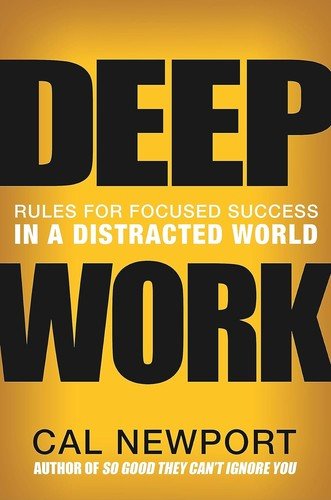
Deep Work
Cal Newport
In a world of constant pings, the ability to focus deeply on hard work is rare and valuable. Here is how to…


About the author
Explore the book
Read reviews, see formats (print, Kindle, audiobook) and check the current price.
See it on AmazonAs an Amazon Associate I earn from qualifying purchases.
Book details (title, author, year) are factual. Everything under the headings above is MindsetProdigy's own editorial analysis and interpretation, written to help you decide whether to read the book and how to apply it. It is not a substitute for reading the book itself. Last updated September 26, 2026.