
Highly recommended
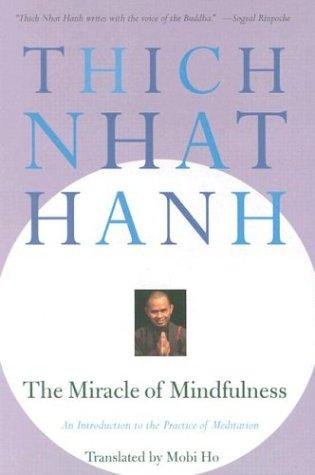
The Miracle of Mindfulness
An Introduction to the Practice of Meditation
A gentle classic on mindful living, from washing dishes to breathing, by the Zen teacher Thich Nhat Hanh.
- Published 1975
- Easy read
- Philosophy and ideas
- 2 min analysis
As an Amazon Associate I earn from qualifying purchases.
Introduction
Thich Nhat Hanh was a Vietnamese Zen monk, peace activist and founder of the Plum Village community in France. The Miracle of Mindfulness began in 1974 as a long letter to a fellow member of a social service organization he had founded in Vietnam, offering practical guidance on staying mindful amid difficult work.
It has become one of the most beloved introductions to mindfulness.
Who should read this book?
Beginners wanting a gentle, practical introduction to mindfulness, and readers interested in Buddhist practice.
Helps with: Calm stress and anxiety, Find purpose and direction
The central message
Mindfulness is the miracle by which we master ourselves. Every daily activity can be done with full awareness.
Key ideas and concepts
Wash the dishes to wash the dishes
Do each task with full attention, rather than rushing through it to get to the next thing.
Conscious breathing
Following the breath is the foundation of mindfulness and can be practised anywhere, at any time.
Mindfulness in daily life
Walking, eating, working and talking can all become meditation when done with awareness.
A day of mindfulness
Thich Nhat Hanh suggests setting aside one day a week to practise mindfulness in everything you do.
Interbeing
All things are interconnected, a realization that deepens compassion for others.
Deeper analysis
The Miracle of Mindfulness is short, gentle and practical, offering simple exercises anyone can try, from counting breaths to washing dishes mindfully. Its origins as a letter to social workers serving in wartime Vietnam give it warmth and urgency, and it has introduced many readers to mindfulness for the first time.
Some Buddhist concepts may be unfamiliar, and the book is brief, so readers wanting a structured programme may need more. Some passages are poetic rather than instructional. Still, it's a timeless, gentle guide to living with awareness.
Practical applications
- Wash the dishes mindfully.
- Follow your breath for five minutes.
- Smile gently during a routine task.
- Walk slowly and mindfully.
- Set aside a 'day of mindfulness'.
Your 7-day action plan
- Day 1
Follow your breath for five minutes, counting each exhale.
- Day 2
Wash the dishes with full attention to each sensation.
- Day 3
Take a slow, mindful walk, noticing each step.
- Day 4
Eat one meal in silence and with full attention.
- Day 5
Practise a gentle half-smile during a routine task.
- Day 6
Hold a mindful morning from waking until lunch.
- Day 7
Reflect on which practice you'll continue.
Outcomes to expect
What readers who apply this book can realistically take away from it:
- Simple daily mindfulness habits
- Greater presence in routine tasks
- More calm
- Appreciation for everyday life
Strengths and limitations
Strengths
- Short, gentle and practical
- Simple exercises anyone can try
- Written by a revered teacher
- Warm and timeless
Limitations
- Brief, without a structured programme
- Some Buddhist concepts may be unfamiliar
- Poetic rather than instructional in places
Reflection questions
- What do you rush through?
- How could you be present in routine tasks?
- When do you feel calm?
- What would a day of mindfulness look like?
Related books
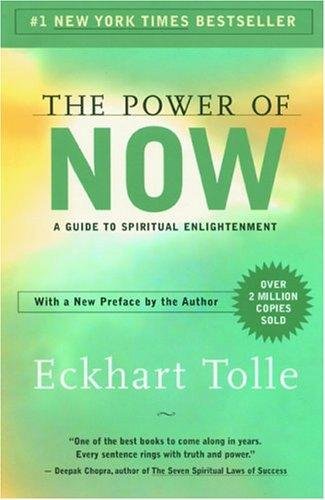
The Power of Now
Eckhart Tolle
Most of your suffering lives in the past and future. Peace is only ever here, now.
Feeling Good
David D. Burns
Change the distorted thoughts behind low moods. The classic self-help guide to cognitive therapy.


About the author
Explore the book
Read reviews, see formats (print, Kindle, audiobook) and check the current price.
See it on AmazonAs an Amazon Associate I earn from qualifying purchases.
Book details (title, author, year) are factual. Everything under the headings above is MindsetProdigy's own editorial analysis and interpretation, written to help you decide whether to read the book and how to apply it. It is not a substitute for reading the book itself. Last updated September 28, 2026.