
Recommended
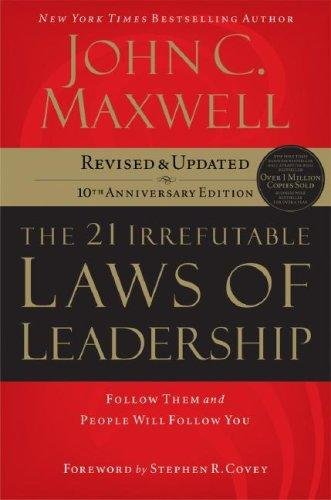
The 21 Irrefutable Laws of Leadership
Follow Them and People Will Follow You
Leadership is influence. Twenty-one principles from one of the most prolific writers on the subject.
- Published 1998
- Easy read
- Practical guidance
- 2 min analysis
As an Amazon Associate I earn from qualifying purchases.
Introduction
John C. Maxwell is a pastor turned leadership author who has written many books on leadership. The 21 Irrefutable Laws of Leadership, first published in 1998 and updated since, presents 21 principles he believes apply to all leaders.
Each chapter explains a law with stories from history, business, sport and Maxwell's own experience.
Who should read this book?
Emerging leaders, managers, pastors, coaches and anyone who wants a broad introduction to leadership principles.
Helps with: Lead and grow at work
The central message
Leadership is influence, and it can be learned. Following the 21 laws increases a leader's effectiveness.
Key ideas and concepts
The Law of the Lid
Your leadership ability sets a ceiling on your effectiveness and on how far your team can go.
The Law of Influence
The true measure of leadership is influence, nothing more and nothing less. A title alone doesn't make someone a leader.
The Law of Process
Leadership develops daily, not in a day, through steady learning and practice.
The Law of Buy-In
People buy into the leader before they buy into the vision, so trust comes first.
The Law of Legacy
A leader's lasting value is measured by succession: by the people they develop.
Deeper analysis
The 21 Irrefutable Laws of Leadership is accessible and memorable. Maxwell's short chapters, each built around a law and a story from history, business or sport, make leadership ideas easy to grasp, and principles like 'leadership is influence' and 'leadership develops daily' are genuinely helpful for new leaders. The self-assessments at the end of each chapter encourage reflection.
Calling the laws 'irrefutable' overstates the case; they're based on Maxwell's observation and experience, not research, and some overlap. Examples are sometimes simplistic or anecdotal. It's a good introduction but light on depth.
Practical applications
- Identify an area where your leadership is your lid.
- Build influence by helping others.
- Commit to daily leadership learning.
- Earn trust before sharing a vision.
- Mentor someone as a successor.
Your 7-day action plan
- Day 1
Rate yourself on the laws.
- Day 2
Pick the law you most need.
- Day 3
Practise building influence.
- Day 4
Learn something about leadership.
- Day 5
Earn trust through a small act.
- Day 6
Mentor someone.
- Day 7
Reflect on your leadership growth.
Outcomes to expect
What readers who apply this book can realistically take away from it:
- A broad framework for leadership
- Awareness of your leadership strengths and gaps
- Daily habits of leadership growth
- Focus on influence and developing others
Strengths and limitations
Strengths
- Accessible short chapters
- Memorable principles for new leaders
- Self-assessments encourage reflection
- Engaging stories
Limitations
- 'Irrefutable' overstates the evidence
- Based on observation, not research
- Some laws overlap
Reflection questions
- What's your leadership lid?
- How do you build influence?
- Who would follow you, and why?
- Who are you developing?
Related books
How to Win Friends and Influence People
Dale Carnegie
The classic guide to getting along with people, still useful nearly a century later.
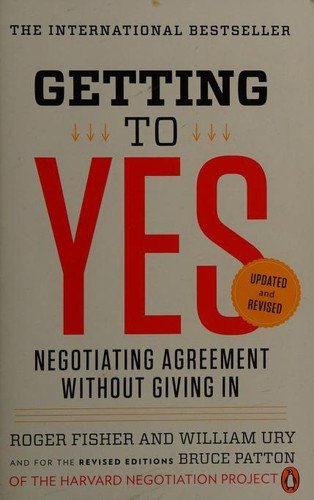
Getting to Yes
Roger Fisher, William Ury and Bruce Patton
Separate people from the problem and focus on interests, not positions. The classic of principled negotiation.


About the author
Explore the book
Read reviews, see formats (print, Kindle, audiobook) and check the current price.
See it on AmazonAs an Amazon Associate I earn from qualifying purchases.
Book details (title, author, year) are factual. Everything under the headings above is MindsetProdigy's own editorial analysis and interpretation, written to help you decide whether to read the book and how to apply it. It is not a substitute for reading the book itself. Last updated September 27, 2026.