
Highly recommended
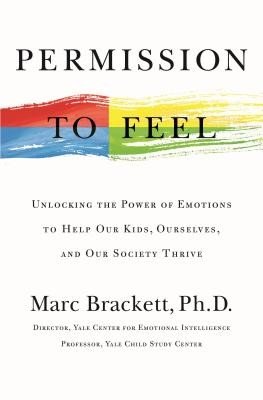
Permission to Feel
Unlocking the Power of Emotions to Help Our Kids, Ourselves, and Our Society Thrive
Emotions are information. A Yale researcher's practical framework for recognizing and managing them.
- Published 2019
- Easy read
- Science and research
- 2 min analysis
As an Amazon Associate I earn from qualifying purchases.
Introduction
Marc Brackett is the founding director of the Yale Center for Emotional Intelligence. In Permission to Feel, published in 2019, he explains why emotions matter and how to develop emotional skills, drawing on his research and RULER, an approach used in many schools.
He also shares his own childhood experience of abuse and bullying, and how a caring adult helped him.
Who should read this book?
Parents, teachers, leaders and anyone who wants to understand and manage emotions better.
Helps with: Calm stress and anxiety, Communicate and persuade
The central message
Emotions are information. Everyone needs permission to feel, and the skills to recognize, understand, label, express and regulate emotions.
Key ideas and concepts
Permission to feel
Brackett argues that all emotions, pleasant and unpleasant, are valid and carry useful information.
Emotion scientist, not emotion judge
Approach your own and others' feelings with curiosity instead of judgement.
RULER
A set of skills: Recognizing, Understanding, Labelling, Expressing and Regulating emotions.
The Mood Meter
A tool that plots emotions by energy and pleasantness to help people find precise words for feelings.
Emotional skills in schools
Brackett argues that teaching emotional skills improves wellbeing, relationships and learning.
Deeper analysis
Permission to Feel is practical and compassionate, offering tools like the Mood Meter that families, classrooms and workplaces can use immediately. Brackett's account of his own childhood abuse, and the uncle who asked him how he felt, adds emotional depth.
Some readers find the book repetitive, and some research on RULER comes from Brackett's own centre, so independent evidence is still growing. Its focus on schools may interest some readers more than others. Still, it's a valuable guide to emotional skills.
Practical applications
- Ask yourself 'How am I feeling?' and answer precisely.
- Use the Mood Meter.
- Be an emotion scientist, not a judge.
- Practise one regulation strategy.
- Ask a child or colleague how they feel and listen.
Your 7-day action plan
- Day 1
Check in with your feelings three times.
- Day 2
Use the Mood Meter.
- Day 3
Find a precise label.
- Day 4
Express a feeling appropriately.
- Day 5
Try a regulation strategy.
- Day 6
Ask someone how they feel.
- Day 7
Reflect.
Outcomes to expect
What readers who apply this book can realistically take away from it:
- A richer emotional vocabulary
- Practical skills for regulating emotions
- More supportive conversations about feelings
- A curious approach to emotions
Strengths and limitations
Strengths
- Practical tools like the Mood Meter
- Compassionate personal story
- Useful for families, schools and workplaces
- Clear RULER framework
Limitations
- Repetitive in places
- Some research comes from the author's own centre
- School focus won't interest all readers
Reflection questions
- How are you feeling right now, precisely?
- Do you judge your emotions?
- Who gave you permission to feel?
- Which emotional skill would help you most?
Related books
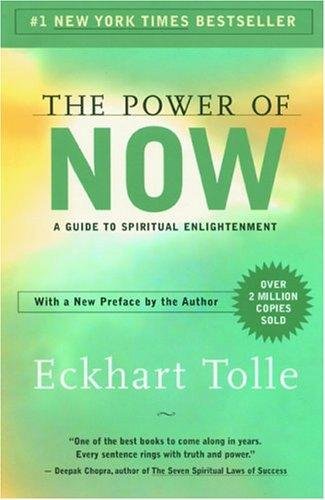
The Power of Now
Eckhart Tolle
Most of your suffering lives in the past and future. Peace is only ever here, now.
Attached
Amir Levine and Rachel S. F. Heller
Understand your attachment style, and your relationships start to make sense.


About the author
Explore the book
Read reviews, see formats (print, Kindle, audiobook) and check the current price.
See it on AmazonAs an Amazon Associate I earn from qualifying purchases.
Book details (title, author, year) are factual. Everything under the headings above is MindsetProdigy's own editorial analysis and interpretation, written to help you decide whether to read the book and how to apply it. It is not a substitute for reading the book itself. Last updated September 28, 2026.