
Highly recommended
Good Habits, Bad Habits
The Science of Making Positive Changes That Stick
A leading habit researcher shows why willpower fails and how changing your environment makes good habits automatic.
- Published 2019
- Moderate
- Science and research
- 2 min analysis
As an Amazon Associate I earn from qualifying purchases.
Introduction
Wendy Wood is a psychology professor at the University of Southern California who has studied habits for decades. Good Habits, Bad Habits, published in 2019, summarizes that research for general readers.
Her key finding is that a large share of our daily behaviour is habitual, done without conscious decision, and that relying on willpower is a poor strategy. Instead, she shows how context, repetition and reward shape habits.
Who should read this book?
Readers who want the research behind habits rather than motivational advice, and anyone frustrated by failed willpower-based changes.
Helps with: Build better habits
The central message
Habits are formed by repetition in a stable context with rewards. Change your environment and reduce friction, rather than relying on willpower.
Key ideas and concepts
Much of life is habitual
Wood's research suggests a large portion of daily actions happen out of habit, while we're thinking about something else.
Willpower is overrated
People who seem self-controlled often simply have better habits and environments, so they face fewer temptations.
Context
Habits are triggered by cues in our surroundings, such as places, times and people.
Friction
Adding small barriers to bad habits and removing barriers to good ones has a powerful effect.
Rewards and repetition
Immediate rewards and consistent repetition help a behaviour become automatic.
Deeper analysis
Good Habits, Bad Habits is one of the most credible popular books on habits because it's written by a researcher who has spent her career on the topic. Its emphasis on friction and context, rather than motivation, is practical and well supported, and it helps readers stop blaming themselves for lacking willpower.
The book is more academic than many habit books, with detailed study descriptions that some readers find slow. It offers fewer step-by-step tools than Atomic Habits, though the principles are clear. For readers who want to understand why habit strategies work, it's an excellent choice.
Practical applications
- Identify the context that triggers one bad habit.
- Add friction to that habit, such as moving snacks out of sight.
- Remove friction from a good habit, such as laying out gym clothes.
- Repeat one new behaviour at the same time and place daily.
- Attach a small immediate reward to a new habit.
Your 7-day action plan
- Day 1
List three habits and the contexts that trigger them.
- Day 2
Add friction to one bad habit.
- Day 3
Remove friction from one good habit.
- Day 4
Choose a stable time and place for a new habit.
- Day 5
Add an immediate reward.
- Day 6
Repeat and notice how automatic it feels.
- Day 7
Reflect on willpower versus environment.
Outcomes to expect
What readers who apply this book can realistically take away from it:
- Understanding of how habits really form
- Less reliance on willpower
- Environments that support good habits
- Habits that become automatic
Strengths and limitations
Strengths
- Written by a leading habit researcher
- Evidence-based and credible
- Practical focus on friction and context
- Frees readers from willpower guilt
Limitations
- More academic than most habit books
- Fewer step-by-step tools
- Slow in places
Reflection questions
- Which habits happen without you deciding?
- Where could you add friction to a bad habit?
- What context triggers your best habits?
- How have you blamed willpower for an environment problem?
Related books
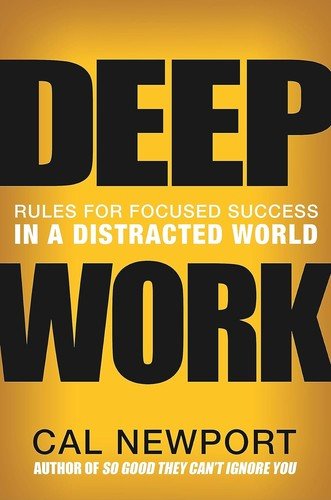
Deep Work
Cal Newport
In a world of constant pings, the ability to focus deeply on hard work is rare and valuable. Here is how to…


About the author
Explore the book
Read reviews, see formats (print, Kindle, audiobook) and check the current price.
See it on AmazonAs an Amazon Associate I earn from qualifying purchases.
Book details (title, author, year) are factual. Everything under the headings above is MindsetProdigy's own editorial analysis and interpretation, written to help you decide whether to read the book and how to apply it. It is not a substitute for reading the book itself. Last updated September 29, 2026.