
Highly recommended
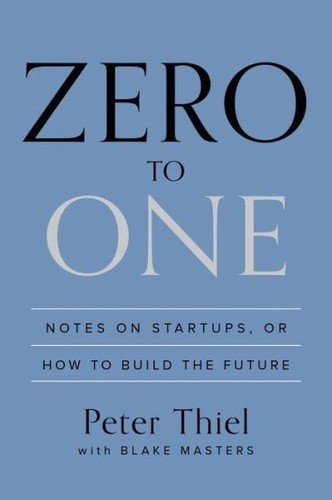
Zero to One
Notes on Startups, or How to Build the Future
Real progress means creating something new, not copying. Contrarian ideas on startups and the future.
- Published 2014
- Moderate
- Philosophy and ideas
- 2 min analysis
As an Amazon Associate I earn from qualifying purchases.
Introduction
Peter Thiel co-founded PayPal and Palantir and was an early investor in Facebook. Zero to One grew out of a course on startups he taught at Stanford in 2012; student Blake Masters's detailed notes became the basis for the book.
Thiel argues that real progress comes from creating something genuinely new, going from zero to one, rather than copying what already exists, going from one to n.
Who should read this book?
Entrepreneurs, investors and anyone interested in innovation and contrarian thinking about business.
Helps with: Start something of my own, Think and decide more clearly
The central message
The most valuable companies create something new and build monopolies by doing something no one else can. Competition is for losers.
Key ideas and concepts
Zero to one
Vertical progress, doing new things, is more valuable than horizontal progress, copying things that work.
The contrarian question
'What important truth do very few people agree with you on?' Good startups often start with a secret.
Monopoly vs competition
Thiel argues that great businesses escape competition through proprietary technology, network effects, economies of scale and branding.
Start small and dominate
Begin by dominating a small market, then expand.
Definite optimism
Thiel favours making concrete long-term plans for the future rather than leaving it to chance.
Deeper analysis
Zero to One is provocative and thought-provoking. Its contrarian question is a powerful tool for innovation, and its argument that founders should seek markets they can dominate rather than crowded ones is useful.
The book's celebration of monopoly is controversial, and critics argue it downplays the social costs of concentrated power. Its advice is drawn heavily from Silicon Valley and venture-backed startups, which may not apply to most small businesses. Thiel's broader political views have also made him a divisive figure, which colours how some readers approach the book. Read it for its ideas on innovation, with a critical eye.
Practical applications
- Answer the contrarian question for your field.
- Identify a small market you could dominate.
- Look for an advantage competitors can't easily copy.
- Write a definite long-term plan.
- Ask whether your idea is truly new or a copy.
Your 7-day action plan
- Day 1
Answer the contrarian question.
- Day 2
Define a niche market.
- Day 3
Identify a potential unfair advantage.
- Day 4
Study competitors and how to avoid direct competition.
- Day 5
Write a long-term plan.
- Day 6
Test your idea with customers.
- Day 7
Reflect on what makes your idea unique.
Outcomes to expect
What readers who apply this book can realistically take away from it:
- A sharper view of what makes ideas valuable
- Contrarian thinking skills
- Focus on unique advantages
- Long-term planning
Strengths and limitations
Strengths
- Provocative, original ideas
- Useful contrarian question
- Encourages bold innovation
- Concise and readable
Limitations
- Celebrates monopoly, which is controversial
- Silicon Valley focus
- Less relevant to most small businesses
Reflection questions
- What important truth do few people agree with you on?
- Where could you avoid competition?
- What could you build that's truly new?
- What's your long-term plan?
Related books
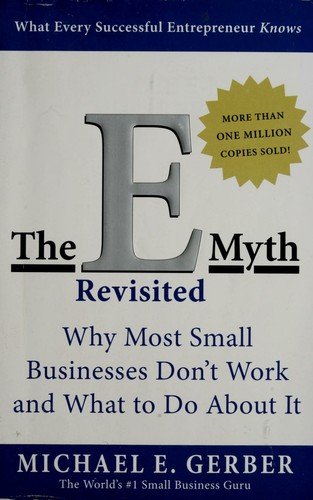
The E-Myth Revisited
Michael E. Gerber
Work on your business, not just in it. Why small businesses struggle, and how systems set you free.
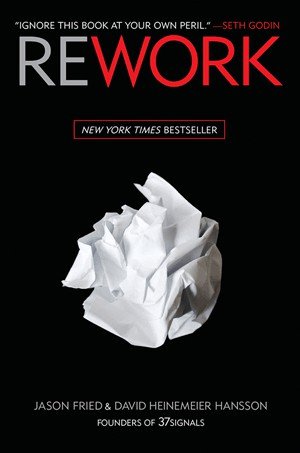
Rework
Jason Fried and David Heinemeier Hansson
Ignore conventional business wisdom. Short, punchy essays on starting and running a calm, profitable company.

About the authors
Explore the book
Read reviews, see formats (print, Kindle, audiobook) and check the current price.
See it on AmazonAs an Amazon Associate I earn from qualifying purchases.
Book details (title, author, year) are factual. Everything under the headings above is MindsetProdigy's own editorial analysis and interpretation, written to help you decide whether to read the book and how to apply it. It is not a substitute for reading the book itself. Last updated September 27, 2026.