
Essential read
Why Zebras Don't Get Ulcers
The Acclaimed Guide to Stress, Stress-Related Diseases, and Coping
A neuroscientist explains why chronic stress harms humans in ways it doesn't harm zebras, and what helps.
- Published 1994
- Demanding
- Science and research
- 1 min analysis
As an Amazon Associate I earn from qualifying purchases.
Introduction
Robert M. Sapolsky, a neuroendocrinologist and professor at Stanford University, first published Why Zebras Don't Get Ulcers in 1994, with updated editions since. He explains the biology of stress.
The title captures his central idea: zebras face short, acute stress, while humans often turn on the stress response chronically, through worry.
Who should read this book?
Readers who want a thorough, scientific understanding of stress.
Helps with: Calm stress and anxiety
The central message
The stress response evolved for short emergencies. Chronic activation, often from psychological stress, can harm health.
Key ideas and concepts
Acute vs chronic stress
Short-term stress helps; chronic stress harms.
Psychological stress
Humans activate stress by thinking.
Health effects
Stress affects the heart, digestion, immunity and more.
Control and predictability
A sense of control reduces stress.
Social support and outlets
Connection and outlets help.
Deeper analysis
Why Zebras Don't Get Ulcers is authoritative, funny and thorough. It's one of the best books on stress biology.
It's long and scientifically detailed, and some readers find it heavy. The coping chapter is shorter than the explanation. It's essential for understanding stress.
Practical applications
- Find outlets for stress, like exercise.
- Increase predictability where possible.
- Seek social support.
- Notice psychological stress.
- Focus on what you can control.
Your 7-day action plan
- Day 1
Learn acute vs chronic stress.
- Day 2
Notice stress triggers.
- Day 3
Find an outlet.
- Day 4
Increase predictability.
- Day 5
Connect with support.
- Day 6
Focus on control.
- Day 7
Reflect.
Outcomes to expect
What readers who apply this book can realistically take away from it:
- Understanding of stress
- Better coping
- Health awareness
- Calmer mind
Strengths and limitations
Strengths
- Authoritative
- Funny
- Thorough
- Classic
Limitations
- Long and detailed
- Heavy
- Short coping section
Reflection questions
- Is your stress acute or chronic?
- What are your outlets?
- Where can you increase control?
- Who supports you?
Related books
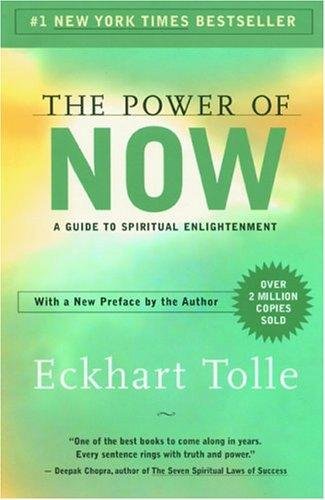
The Power of Now
Eckhart Tolle
Most of your suffering lives in the past and future. Peace is only ever here, now.

About the author
Explore the book
Read reviews, see formats (print, Kindle, audiobook) and check the current price.
See it on AmazonAs an Amazon Associate I earn from qualifying purchases.
Book details (title, author, year) are factual. Everything under the headings above is MindsetProdigy's own editorial analysis and interpretation, written to help you decide whether to read the book and how to apply it. It is not a substitute for reading the book itself. Last updated October 2, 2026.