
Highly recommended
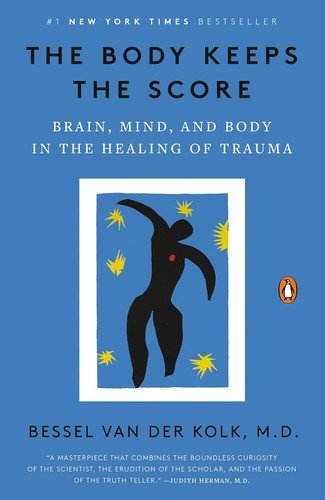
The Body Keeps the Score
Brain, Mind, and Body in the Healing of Trauma
How stress and trauma live in the body, and the many paths to healing.
- Published 2014
- Demanding
- Science and research
- 2 min analysis
As an Amazon Associate I earn from qualifying purchases.
Introduction
Bessel van der Kolk is a Dutch-born psychiatrist who has researched and treated trauma for decades. The Body Keeps the Score, published in 2014, explains how traumatic experiences affect the brain, body and relationships, and surveys approaches to recovery.
The book has spent years on bestseller lists and has shaped public conversation about trauma, while also drawing debate from researchers about some of its claims.
Who should read this book?
Readers who want to understand trauma and its effects, including survivors, family members and professionals. Survivors may find parts distressing and are best supported by a qualified professional.
Helps with: Heal and grow
The central message
Trauma is not only remembered in the mind but held in the body. Recovery often involves helping people feel safe in their bodies and relationships, not just talking about the past.
Key ideas and concepts
Trauma changes the brain
Van der Kolk describes how trauma can affect brain systems involved in threat detection, self-awareness and memory, leaving people stuck in survival mode.
The body remembers
Survivors may experience trauma through physical sensations, tension and reactions rather than clear memories.
Disconnection
Trauma can cut people off from their bodies, emotions and others, making it hard to feel safe.
Relationships and safety
Feeling safe with other people is central to healing.
Paths to recovery
He discusses approaches including talk therapy, EMDR, yoga, neurofeedback, theatre and other body-based methods.
Deeper analysis
The Body Keeps the Score has helped many survivors feel understood and has brought attention to the physical effects of trauma and the importance of safety and connection. Its case stories are powerful, and it encourages readers to consider a wide range of therapeutic approaches.
Some scientists have criticized the book for overstating certain claims, such as the idea that trauma is literally stored in the body, and for promoting treatments whose evidence is still limited. Some readers find its graphic descriptions of abuse distressing. It should be read as one expert's perspective, not a treatment manual, and anyone struggling with trauma should seek trauma-informed professional support.
Practical applications
- Notice physical signs of stress in your body during the day.
- Try a gentle breathing or grounding exercise when you feel overwhelmed.
- Explore gentle movement such as walking or yoga.
- Spend time with people who help you feel safe.
- If trauma affects your life, look for a trauma-informed therapist.
Your 7-day action plan
- Day 1
Notice where you feel stress in your body.
- Day 2
Practise five minutes of slow breathing.
- Day 3
Take a gentle, mindful walk.
- Day 4
Reach out to someone you feel safe with.
- Day 5
Try a beginner yoga or stretching session.
- Day 6
Research trauma-informed support options near you.
- Day 7
Reflect gently on what helped, without pushing yourself.
Outcomes to expect
What readers who apply this book can realistically take away from it:
- A better understanding of how trauma can affect body and mind
- Awareness of physical stress signals
- Knowledge of a range of recovery approaches
- Greater compassion for yourself or others affected by trauma
Strengths and limitations
Strengths
- Has helped many survivors feel understood
- Highlights safety, connection and the body
- Powerful case stories
- Surveys many therapeutic approaches
Limitations
- Some claims overstated according to other researchers
- Some promoted treatments have limited evidence
- Graphic descriptions may be distressing
Reflection questions
- How does stress show up in your body?
- Where and with whom do you feel safe?
- What helps you feel grounded?
- What support might help you or someone you love?
Related books
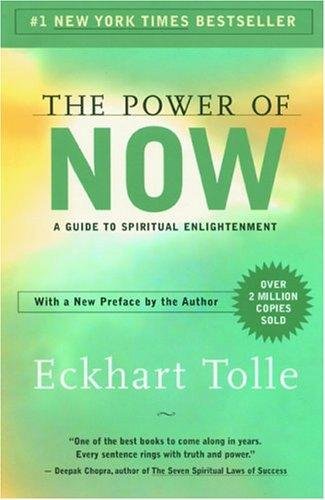
The Power of Now
Eckhart Tolle
Most of your suffering lives in the past and future. Peace is only ever here, now.
Feeling Good
David D. Burns
Change the distorted thoughts behind low moods. The classic self-help guide to cognitive therapy.


About the author
Explore the book
Read reviews, see formats (print, Kindle, audiobook) and check the current price.
See it on AmazonAs an Amazon Associate I earn from qualifying purchases.
Book details (title, author, year) are factual. Everything under the headings above is MindsetProdigy's own editorial analysis and interpretation, written to help you decide whether to read the book and how to apply it. It is not a substitute for reading the book itself. Last updated September 28, 2026.