

Highly recommended
Why Has Nobody Told Me This Before?
Bite-sized tools from a clinical psychologist for low mood, anxiety, stress and self-doubt.
- Published 2022
- Easy read
- Practical guidance
- 2 min analysis
As an Amazon Associate I earn from qualifying purchases.
Introduction
Julie Smith is a British clinical psychologist who became known for sharing mental health tools in short videos. Her first book, published in 2022, collects practical, evidence-based tools for everyday struggles such as low mood, anxiety, motivation, self-doubt and stress.
The chapters are short and designed to be dipped into when needed.
Who should read this book?
Anyone wanting practical mental health tools for everyday challenges, especially those new to psychology.
Helps with: Calm stress and anxiety, Heal and grow
The central message
Everyday mental health skills can be learned. Small, evidence-based tools help manage mood, anxiety, motivation and self-doubt.
Key ideas and concepts
Understanding low mood
Smith explains that mood is shaped by thoughts, behaviour, physical state and environment, so small changes in any area can help.
Motivation follows action
Waiting to feel motivated rarely works. Taking a small step often creates motivation.
Managing anxiety
Breathing techniques and gradually facing fears can reduce anxiety over time.
Dealing with self-doubt
Compassionate self-talk and recognizing thinking patterns help reduce harsh self-criticism.
Meaning and values
Knowing what matters helps us get through hard times.
Deeper analysis
Why Has Nobody Told Me This Before? is accessible and practical. Its short chapters, organized by everyday struggles like low mood, motivation and anxiety, make it easy to dip into when needed, and it draws on evidence-based approaches like CBT and ACT. Smith's clear, friendly voice makes psychology feel approachable.
Covering many topics briefly means depth is limited, and readers familiar with psychology may find it basic. It's not a substitute for therapy for more serious mental health problems, as Smith herself notes. Still, it's a useful first-aid kit.
Practical applications
- Take one small action when unmotivated.
- Practise slow breathing when anxious.
- Notice self-criticism and rephrase it.
- Write your values.
- Use the book's toolkit when struggling.
Your 7-day action plan
- Day 1
Notice your mood at three points in the day and what influenced it.
- Day 2
Take one small action even though you don't feel motivated.
- Day 3
Practise slow breathing for five minutes during a stressful moment.
- Day 4
Rephrase one self-critical thought as you would for a friend.
- Day 5
Face a small fear gradually instead of avoiding it.
- Day 6
Write down three values that matter to you.
- Day 7
Choose your three favourite tools from the book to keep using.
Outcomes to expect
What readers who apply this book can realistically take away from it:
- A toolkit of practical mental health skills
- Better ways to manage low mood
- Techniques to reduce anxiety
- Kinder self-talk
Strengths and limitations
Strengths
- Accessible, friendly and clear
- Toolkit format easy to dip into
- Draws on evidence-based approaches
- Covers many everyday struggles
Limitations
- Brief on each topic
- Basic for readers familiar with psychology
- Not a substitute for therapy
Reflection questions
- What helps your mood?
- When do you feel unmotivated?
- How do you speak to yourself?
- What matters to you?
Related books
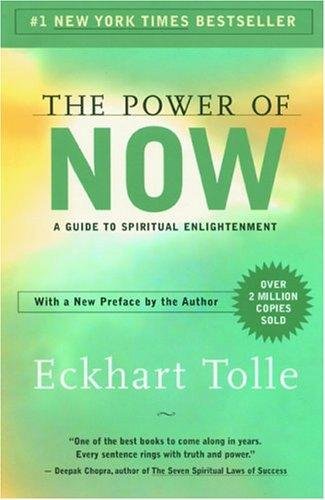
The Power of Now
Eckhart Tolle
Most of your suffering lives in the past and future. Peace is only ever here, now.
The Choice
Edith Eger
An Auschwitz survivor who became a psychologist shares her journey to freedom and healing.


About the author
Explore the book
Read reviews, see formats (print, Kindle, audiobook) and check the current price.
See it on AmazonAs an Amazon Associate I earn from qualifying purchases.
Book details (title, author, year) are factual. Everything under the headings above is MindsetProdigy's own editorial analysis and interpretation, written to help you decide whether to read the book and how to apply it. It is not a substitute for reading the book itself. Last updated September 28, 2026.