
Highly recommended
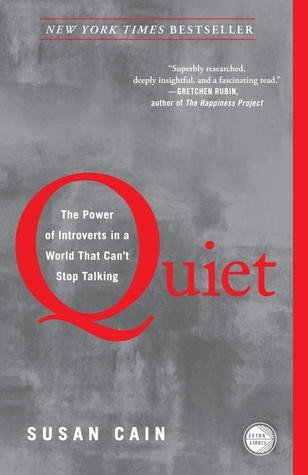
Quiet
The Power of Introverts in a World That Can't Stop Talking
Introverts bring real strengths to a world built for extroverts. A reassuring, research-rich look at temperament.
- Published 2012
- Easy read
- Science and research
- 2 min analysis
As an Amazon Associate I earn from qualifying purchases.
Introduction
Susan Cain, a former corporate lawyer and negotiation consultant, argues that many Western societies have embraced an 'extrovert ideal', in which being bold, talkative and sociable is seen as the best way to be. Introverts, who may make up a third to half of the population, often feel pressure to act otherwise.
Quiet explores the history and science of temperament and shows the strengths introverts bring to work, leadership and relationships. It became a bestseller and sparked a wide conversation.
Who should read this book?
Introverts who feel misunderstood or drained by constant socializing, managers who want to get the best from everyone, and teachers and parents of quiet children.
Helps with: Build confidence, Communicate and persuade
The central message
Introversion is not a flaw to fix. Societies, schools and workplaces benefit when they value quiet reflection, careful listening and deep focus as much as boldness.
Key ideas and concepts
The extrovert ideal
Cain traces how modern culture came to prize charisma and self-promotion, from salesmanship to open-plan offices and group work.
Introvert strengths
Introverts often bring careful thinking, attentive listening, persistence and comfort working alone.
Temperament and sensitivity
Research suggests some people are more sensitive to stimulation from birth, which shapes how much social activity they can enjoy.
Free trait theory
People can act out of character, for example an introvert giving a lively speech, for things they care about, as long as they have time to recover.
Restorative niches
Introverts need places and times to recharge after demanding social situations.
Deeper analysis
Quiet is warm, validating and well researched. Many readers describe feeling understood for the first time, and the book offers practical insights for workplaces and schools, such as giving people time to think before meetings and balancing collaboration with solo work. Its discussion of introverted leaders, who may be especially effective with proactive teams, challenges common assumptions.
The book sometimes simplifies personality science, which sees introversion and extroversion as a spectrum rather than two types, and its generalizations don't fit everyone. Some readers feel extroverts are portrayed unfairly. Still, its central message, that different temperaments have different strengths, is valuable for everyone.
Practical applications
- Schedule recovery time after social or demanding events.
- Prepare your ideas in writing before meetings so you can contribute.
- Create a quiet workspace or time for focused work.
- Choose one cause you care about enough to speak up for.
- Ask quieter colleagues or family members for their views directly.
Your 7-day action plan
- Day 1
Reflect on where you fall on the introvert–extrovert spectrum.
- Day 2
Identify your restorative niches and when you need them.
- Day 3
Prepare written notes before a meeting.
- Day 4
Speak up on one topic you care about.
- Day 5
Schedule time to recharge.
- Day 6
Talk with someone close about how your temperaments differ.
- Day 7
Write down three strengths of your temperament.
Outcomes to expect
What readers who apply this book can realistically take away from it:
- Greater self-acceptance for introverts
- Better energy management
- Understanding of temperament differences in teams and families
- Confidence to use quiet strengths
Strengths and limitations
Strengths
- Validating and warmly written
- Well researched with engaging stories
- Practical insights for work and school
- Sparks useful conversations about temperament
Limitations
- Simplifies personality science into two types
- Generalizations don't fit everyone
- Some readers feel extroverts are portrayed unfairly
Reflection questions
- What gives you energy, and what drains it?
- When do you act out of character, and why?
- How could your workplace or family better support quiet people?
- What are your quiet strengths?
Related books
Mindset
Carol S. Dweck
Believing you can grow is the first step to actually growing. The landmark book on fixed versus growth…


About the author
Explore the book
Read reviews, see formats (print, Kindle, audiobook) and check the current price.
See it on AmazonAs an Amazon Associate I earn from qualifying purchases.
Book details (title, author, year) are factual. Everything under the headings above is MindsetProdigy's own editorial analysis and interpretation, written to help you decide whether to read the book and how to apply it. It is not a substitute for reading the book itself. Last updated September 27, 2026.