
Recommended
Primal Leadership
Unleashing the Power of Emotional Intelligence
A leader's most important job is emotional: creating resonance. Emotional intelligence applied to leadership.
- Published 2002
- Moderate
- Science and research
- 1 min analysis
As an Amazon Associate I earn from qualifying purchases.
Introduction
Daniel Goleman, author of Emotional Intelligence, teamed up with leadership researchers Richard Boyatzis and Annie McKee for Primal Leadership, published in 2002. They argue that a leader's primal task is emotional: to create 'resonance', a positive emotional climate that brings out the best in people.
The book describes six leadership styles and how to develop emotional intelligence as a leader.
Who should read this book?
Managers and leaders who want to understand the emotional side of leadership.
Helps with: Lead and grow at work
The central message
Great leaders create resonance by managing their own emotions and attuning to others. Emotional intelligence can be developed.
Key ideas and concepts
Resonance and dissonance
Leaders spread emotions; resonant leaders inspire, dissonant ones drain.
Four EI domains
Self-awareness, self-management, social awareness and relationship management.
Six leadership styles
Visionary, coaching, affiliative, democratic, pacesetting and commanding.
Style flexibility
The best leaders switch styles to fit situations.
Self-directed learning
Develop EI by envisioning your ideal self, assessing your real self and practising.
Deeper analysis
Primal Leadership offers a useful, research-informed bridge between emotional intelligence and leadership. The six styles framework is practical, especially its warning about overusing pacesetting and commanding styles.
Some claims about emotional contagion and brain science are simplified, and the book can be dry. The research behind emotional intelligence measures is debated. Still, it's a valuable framework for leaders.
Practical applications
- Notice the emotional tone you set in meetings.
- Identify your default leadership style.
- Try a coaching conversation with a team member.
- Practise self-management in a tense moment.
- Ask for feedback on how you affect others.
Your 7-day action plan
- Day 1
Reflect on your emotional impact.
- Day 2
Identify your default style.
- Day 3
Use a different style once.
- Day 4
Practise self-management.
- Day 5
Have a coaching conversation.
- Day 6
Ask for feedback.
- Day 7
Plan EI development.
Outcomes to expect
What readers who apply this book can realistically take away from it:
- Awareness of emotional impact
- Flexible leadership styles
- Stronger team climate
- EI development plan
Strengths and limitations
Strengths
- Bridges EI and leadership
- Practical six styles
- Research-informed
- Useful warnings about pacesetting
Limitations
- Simplified brain science
- Dry in places
- EI measurement debated
Reflection questions
- What emotional climate do you create?
- Which style do you overuse?
- How do you manage stress as a leader?
- What would your ideal leader self look like?
Related books
How to Win Friends and Influence People
Dale Carnegie
The classic guide to getting along with people, still useful nearly a century later.
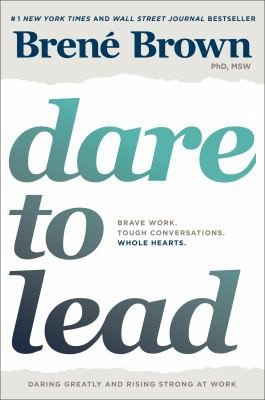

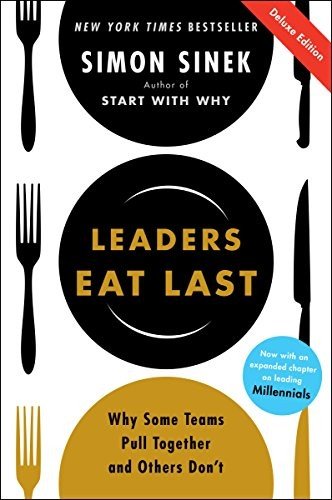

About the authors
Explore the book
Read reviews, see formats (print, Kindle, audiobook) and check the current price.
See it on AmazonAs an Amazon Associate I earn from qualifying purchases.
Book details (title, author, year) are factual. Everything under the headings above is MindsetProdigy's own editorial analysis and interpretation, written to help you decide whether to read the book and how to apply it. It is not a substitute for reading the book itself. Last updated September 30, 2026.