
Recommended
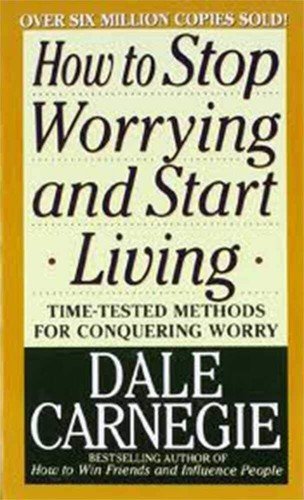
How to Stop Worrying and Start Living
A classic, practical guide to breaking the worry habit, from the author of How to Win Friends.
- Published 1948
- Easy read
- Practical guidance
- 2 min analysis
As an Amazon Associate I earn from qualifying purchases.
Introduction
Dale Carnegie, author of How to Win Friends and Influence People, published How to Stop Worrying and Start Living in 1948. It collects practical techniques for overcoming worry, drawn from his courses and stories from students and famous figures.
Its advice is practical and often anticipates later cognitive approaches.
Who should read this book?
Chronic worriers and anyone wanting practical, old-fashioned advice on anxiety and stress.
Helps with: Calm stress and anxiety
The central message
Live in 'day-tight compartments', analyse worries logically, accept the worst and focus on action.
Key ideas and concepts
Live in day-tight compartments
Borrowing from physician William Osler, Carnegie urges readers to shut out yesterday and tomorrow and focus on today.
The magic formula
Ask what's the worst that could happen, prepare to accept it, then calmly work to improve on it.
Analyse worry
Get the facts, analyse them, decide what to do, and act on the decision immediately.
Keep busy
Absorbing activity crowds out worry.
The law of averages
Ask how likely the feared event really is; most worries never happen.
Deeper analysis
How to Stop Worrying and Start Living is practical, readable and full of stories. Many of its techniques, such as examining the evidence for a worry and focusing on what you can do today, foreshadow cognitive behavioural therapy, and they remain useful decades later. Carnegie's warmth and examples make the advice easy to absorb.
The book is dated, with old-fashioned examples and some religious content, and it can be repetitive. It treats worry as a habit to be broken rather than recognizing anxiety disorders, which may need professional help. Still, its tips remain helpful for everyday worriers.
Practical applications
- Focus on today only.
- Use the magic formula on a worry.
- Write facts about a worry.
- Keep busy with meaningful activity.
- Check the odds.
Your 7-day action plan
- Day 1
Live in a 'day-tight compartment', focusing only on today.
- Day 2
Use the magic formula on your biggest worry.
- Day 3
Write the facts of a worry, analyse them and decide on an action.
- Day 4
Check the odds that a feared event will actually happen.
- Day 5
Keep busy with absorbing, useful work when worry rises.
- Day 6
Accept one thing you cannot change.
- Day 7
Reflect on which technique reduced your worry most.
Outcomes to expect
What readers who apply this book can realistically take away from it:
- Practical tools to manage worry
- Focus on today rather than past and future
- A logical approach to fears
- Less time lost to rumination
Strengths and limitations
Strengths
- Practical techniques that foreshadow CBT
- Warm, readable style with many stories
- Timeless tips for everyday worry
- Encourages action over rumination
Limitations
- Dated examples and language
- Some religious content
- Not suitable for anxiety disorders without professional help
Reflection questions
- What do you worry about?
- What's the worst that could happen?
- How likely is it?
- What can you do today?
Related books
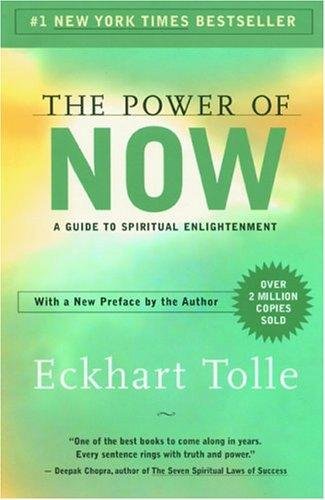
The Power of Now
Eckhart Tolle
Most of your suffering lives in the past and future. Peace is only ever here, now.
The Choice
Edith Eger
An Auschwitz survivor who became a psychologist shares her journey to freedom and healing.



About the author
Explore the book
Read reviews, see formats (print, Kindle, audiobook) and check the current price.
See it on AmazonAs an Amazon Associate I earn from qualifying purchases.
Book details (title, author, year) are factual. Everything under the headings above is MindsetProdigy's own editorial analysis and interpretation, written to help you decide whether to read the book and how to apply it. It is not a substitute for reading the book itself. Last updated September 29, 2026.