

Recommended
Good to Great
Why Some Companies Make the Leap... and Others Don't
What turned good companies into great ones? A research team's influential, and debated, findings.
- Published 2001
- Moderate
- Science and research
- 2 min analysis
As an Amazon Associate I earn from qualifying purchases.
Introduction
Jim Collins and his research team studied companies that made a lasting leap from average performance to great results, sustained for at least 15 years, and compared them with similar companies that didn't. Good to Great, published in 2001, reports what they found.
Collins identifies a set of principles, from 'Level 5 leadership' to the 'Hedgehog Concept', that he argues distinguish great companies.
Who should read this book?
Executives, managers, entrepreneurs and anyone interested in what makes organizations excel over the long term.
Helps with: Lead and grow at work, Start something of my own
The central message
Great companies are built by humble, determined leaders who get the right people on board, confront brutal facts, focus on what they can be best at, and build momentum through disciplined effort.
Key ideas and concepts
Level 5 leadership
The leaders of great companies combined personal humility with intense professional will.
First who, then what
Get the right people on the bus, the wrong people off, and the right people in the right seats before deciding where to drive.
Confront the brutal facts
Face reality while keeping faith that you'll prevail, what Collins calls the Stockdale Paradox.
The Hedgehog Concept
Focus on the intersection of what you're passionate about, what you can be best in the world at, and what drives your economic engine.
The flywheel
Great results come from consistent effort that builds momentum over time, not from a single dramatic action.
Deeper analysis
Good to Great introduced concepts that became standard business language, and its emphasis on humble leadership, disciplined people and focus is valuable. The book is clearly written and full of memorable metaphors.
Its research method has been criticized: identifying successful companies after the fact and looking for shared traits can produce misleading conclusions, and several of the 'great' companies, such as Circuit City and Fannie Mae, later struggled or collapsed. That doesn't make the principles worthless, but it suggests they are not a guaranteed formula. Read it as thoughtful guidance rather than proven law.
Practical applications
- Reflect on whether you combine humility and determination as a leader.
- Assess whether you have the right people in the right roles.
- Hold a meeting to confront brutal facts honestly.
- Define your team's Hedgehog Concept.
- Identify the consistent actions that build your flywheel.
Your 7-day action plan
- Day 1
Assess your leadership against Level 5.
- Day 2
Review your team's people and roles.
- Day 3
List the brutal facts you're avoiding.
- Day 4
Discuss your Hedgehog Concept.
- Day 5
Identify your flywheel.
- Day 6
Remove one distraction from your focus.
- Day 7
Reflect on long-term greatness.
Outcomes to expect
What readers who apply this book can realistically take away from it:
- Clear principles for long-term success
- Focus on people and humility
- Honest assessment of reality
- Better strategic focus
Strengths and limitations
Strengths
- Influential concepts
- Clear writing and memorable metaphors
- Emphasis on humble leadership
- Encourages long-term thinking
Limitations
- Research method criticized
- Several featured companies later struggled
- Not a guaranteed formula
Reflection questions
- What brutal facts are you avoiding?
- Are the right people in the right seats?
- What could you be best in the world at?
- What builds your momentum?
Related books
How to Win Friends and Influence People
Dale Carnegie
The classic guide to getting along with people, still useful nearly a century later.
The 7 Habits of Highly Effective People
Stephen R. Covey
Seven principles for leading yourself first, then working well with others. One of the most influential…
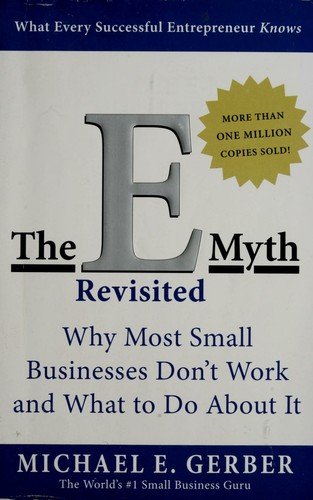
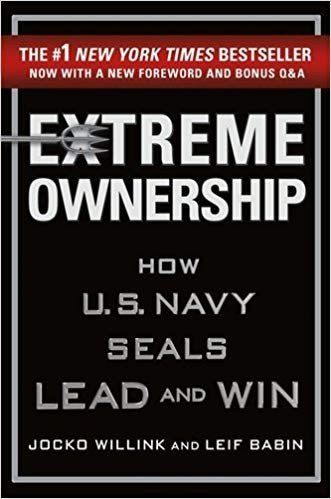


Part of the reading path: Become a Better Leader
About the author
Explore the book
Read reviews, see formats (print, Kindle, audiobook) and check the current price.
See it on AmazonAs an Amazon Associate I earn from qualifying purchases.
Book details (title, author, year) are factual. Everything under the headings above is MindsetProdigy's own editorial analysis and interpretation, written to help you decide whether to read the book and how to apply it. It is not a substitute for reading the book itself. Last updated September 27, 2026.