
Recommended
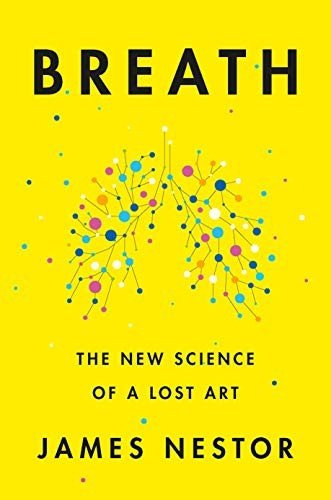
Breath
The New Science of a Lost Art
How we breathe affects health and stress. A journalist's exploration of breathing practices.
- Published 2020
- Easy read
- Stories and memoir
- 2 min analysis
As an Amazon Associate I earn from qualifying purchases.
Introduction
James Nestor is a journalist who wrote for Outside, Scientific American and other outlets. In Breath, published in 2020, he explores how humans breathe, why many breathe poorly, and what ancient practices and modern research suggest.
Nestor took part in experiments himself, including spending days breathing only through his mouth.
Who should read this book?
Readers curious about health, athletes, and anyone interested in breathing practices.
Helps with: Calm stress and anxiety
The central message
How we breathe affects health. Nasal breathing, slower breathing and other practices may improve wellbeing.
Key ideas and concepts
Nasal breathing
Breathing through the nose filters, warms and humidifies air, and Nestor argues it supports better health than mouth breathing.
Slow breathing
Breathing at around five to six breaths per minute may calm the nervous system.
Breathe less
Nestor suggests many people over-breathe and could benefit from breathing more gently.
Jaws and airways
He discusses evidence that softer modern diets may affect jaw development and airways.
Ancient and modern practices
From pranayama to the Buteyko method, many traditions have explored breath.
Deeper analysis
Breath is engaging and has sparked broad interest in how we breathe. Nestor mixes history, science and personal experiments, including ten days of forced mouth breathing, into an entertaining narrative, and practices like nasal and slow breathing are easy to try and calming for many people.
Some claims go beyond what the evidence supports, and his experiments are anecdotal. Readers with medical conditions such as asthma or sleep apnoea should consult professionals rather than self-treat. Still, it's a fascinating read that encourages attention to an overlooked part of health.
Practical applications
- Breathe through your nose during the day.
- Practise slow breathing for five minutes.
- Notice mouth breathing during exercise.
- Try a breathing exercise before bed.
- Chew harder foods.
Your 7-day action plan
- Day 1
Notice how you breathe throughout the day, through nose or mouth.
- Day 2
Practise breathing only through your nose for the day.
- Day 3
Practise slow breathing at about six breaths per minute for five minutes.
- Day 4
Use slow breathing during a stressful moment.
- Day 5
Breathe through your nose during light exercise.
- Day 6
Try a calming breathing exercise before bed.
- Day 7
Reflect on which practices helped you feel better.
Outcomes to expect
What readers who apply this book can realistically take away from it:
- Greater awareness of how you breathe
- Simple calming breathing techniques
- Healthier breathing habits
- Curiosity about the body
Strengths and limitations
Strengths
- Engaging blend of history, science and experiment
- Simple practices anyone can try
- Draws attention to an overlooked part of health
- Entertaining narrative
Limitations
- Some claims go beyond the evidence
- Personal experiments are anecdotal
- Not a substitute for medical advice
Reflection questions
- Do you breathe through your mouth?
- How do you breathe under stress?
- What breathing practice could you try?
- How does breathing affect your mood?
Related books
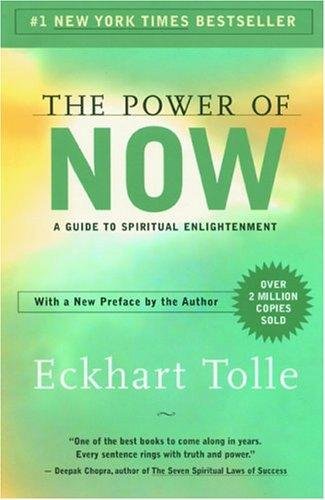
The Power of Now
Eckhart Tolle
Most of your suffering lives in the past and future. Peace is only ever here, now.
Feeling Good
David D. Burns
Change the distorted thoughts behind low moods. The classic self-help guide to cognitive therapy.


About the author
Explore the book
Read reviews, see formats (print, Kindle, audiobook) and check the current price.
See it on AmazonAs an Amazon Associate I earn from qualifying purchases.
Book details (title, author, year) are factual. Everything under the headings above is MindsetProdigy's own editorial analysis and interpretation, written to help you decide whether to read the book and how to apply it. It is not a substitute for reading the book itself. Last updated September 29, 2026.