
Highly recommended
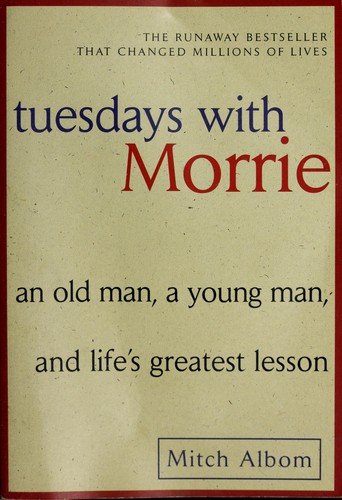
Tuesdays with Morrie
An Old Man, a Young Man, and Life's Greatest Lesson
A journalist's weekly visits with his dying former professor become lessons on love, work and what matters.
- Published 1997
- Easy read
- Stories and memoir
- 2 min analysis
As an Amazon Associate I earn from qualifying purchases.
Introduction
Mitch Albom, a sports journalist, learned that his former college professor Morrie Schwartz was dying of ALS. He visited Morrie every Tuesday, and their conversations about life, love, work, family, ageing and death became Tuesdays with Morrie, published in 1997.
The memoir became one of the best-selling of its kind.
Who should read this book?
Anyone reflecting on what matters in life, people facing loss, and readers who enjoy moving memoirs.
Helps with: Find purpose and direction, Improve my relationships
The central message
Love, relationships and meaning matter more than money or status. Learning how to die teaches us how to live.
Key ideas and concepts
Once you learn how to die, you learn how to live
Morrie argues that accepting death makes us focus on what matters, rather than wasting time on things that don't.
Love is the most important thing
Morrie repeatedly returns to love and relationships as the true measure of a good life.
Create your own culture
If the popular culture's values, like money and status, don't serve you, don't buy into them.
Forgive everyone, including yourself
Morrie expresses regret over a friendship he didn't repair in time, and urges forgiveness before it's too late.
Detachment
Feel emotions fully, even fear and grief, then let them go rather than being consumed.
Deeper analysis
Tuesdays with Morrie is touching, accessible and has prompted millions of readers to reflect on their priorities. Morrie's warmth and humour in the face of a terminal illness are moving, and the simple structure of weekly conversations makes the lessons easy to absorb.
Some readers find it sentimental, and its lessons, love matters more than money, forgive while you can, are familiar. Albom's own role as a busy, career-driven journalist learning to slow down is relatable but neatly packaged. Still, as a gentle reminder of what matters, it remains beloved.
Practical applications
- Call someone you love.
- Forgive someone.
- Reflect on your values versus culture's values.
- Spend time with an elder.
- Experience an emotion fully, then let it go.
Your 7-day action plan
- Day 1
Write down what matters most to you.
- Day 2
Call someone you love and tell them so.
- Day 3
Take a step toward forgiving someone, or yourself.
- Day 4
Visit or call an older person and ask about their life.
- Day 5
Reflect on cultural values you've adopted without questioning.
- Day 6
Feel a difficult emotion fully, then let it go.
- Day 7
Write your own list of lessons for a good life.
Outcomes to expect
What readers who apply this book can realistically take away from it:
- Clarity about what matters most
- Motivation to reconnect with loved ones
- Willingness to forgive
- A gentler perspective on ageing and death
Strengths and limitations
Strengths
- Touching, accessible and widely loved
- Simple wisdom about love, death and meaning
- Easy, moving structure of weekly conversations
- Prompts genuine reflection on priorities
Limitations
- Sentimental for some readers
- Lessons are familiar
- Neatly packaged narrative
Reflection questions
- What matters most to you?
- Whom do you need to forgive?
- What would you regret?
- What does your culture value that you don't?
Related books
Meditations
Marcus Aurelius
The private journal of a Roman emperor on staying steady when life is hard.
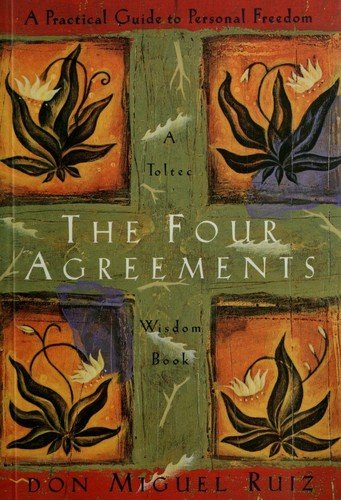
The Four Agreements
Don Miguel Ruiz
Four simple promises to yourself that can free you from a lot of unhappiness.


About the author
Explore the book
Read reviews, see formats (print, Kindle, audiobook) and check the current price.
See it on AmazonAs an Amazon Associate I earn from qualifying purchases.
Book details (title, author, year) are factual. Everything under the headings above is MindsetProdigy's own editorial analysis and interpretation, written to help you decide whether to read the book and how to apply it. It is not a substitute for reading the book itself. Last updated September 29, 2026.