
Highly recommended
Spark
The Revolutionary New Science of Exercise and the Brain
A psychiatrist explains how exercise improves the brain, mood, focus and learning.
- Published 2008
- Moderate
- Science and research
- 1 min analysis
As an Amazon Associate I earn from qualifying purchases.
Introduction
John J. Ratey, a clinical associate professor of psychiatry at Harvard Medical School, wrote Spark with journalist Eric Hagerman in 2008. It reviews research on how physical activity affects the brain.
The book opens with a school physical education programme in Naperville, Illinois, and covers exercise's role in learning, stress, anxiety, depression, attention and ageing.
Who should read this book?
Anyone who wants motivation to exercise for mental as well as physical health.
Helps with: Calm stress and anxiety, Focus and get more done
The central message
Exercise is one of the best things you can do for your brain, improving mood, focus, learning and resilience.
Key ideas and concepts
Exercise and learning
Activity may prime the brain for learning.
BDNF
A protein linked to brain health that exercise increases.
Stress and anxiety
Exercise helps regulate stress.
Depression and attention
Exercise can support mood and focus alongside treatment.
Ageing
Activity supports brain health as we age.
Deeper analysis
Spark is persuasive and practical, making exercise feel essential for the mind. Many readers start exercising after reading it.
Some research has evolved since 2008, and the book occasionally overstates findings. Exercise complements but doesn't replace treatment for mental health conditions. It's a motivating read.
Practical applications
- Add aerobic exercise most days.
- Move before a learning task.
- Use exercise to manage stress.
- Try a new physical skill.
- Track mood after exercise.
Your 7-day action plan
- Day 1
Take a brisk walk.
- Day 2
Exercise before work.
- Day 3
Try a new activity.
- Day 4
Notice mood.
- Day 5
Exercise to manage stress.
- Day 6
Plan a weekly routine.
- Day 7
Reflect.
Outcomes to expect
What readers who apply this book can realistically take away from it:
- Better mood
- Improved focus
- Stress relief
- Exercise motivation
Strengths and limitations
Strengths
- Persuasive
- Practical
- Research-based
- Motivating
Limitations
- Some research evolved
- Occasionally overstated
- Not a replacement for treatment
Reflection questions
- How does exercise affect your mood?
- When do you move?
- What activity do you enjoy?
- How could you move more?
Related books
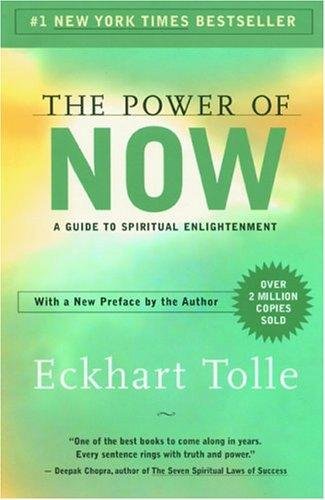
The Power of Now
Eckhart Tolle
Most of your suffering lives in the past and future. Peace is only ever here, now.


About the authors
Explore the book
Read reviews, see formats (print, Kindle, audiobook) and check the current price.
See it on AmazonAs an Amazon Associate I earn from qualifying purchases.
Book details (title, author, year) are factual. Everything under the headings above is MindsetProdigy's own editorial analysis and interpretation, written to help you decide whether to read the book and how to apply it. It is not a substitute for reading the book itself. Last updated October 2, 2026.