
Highly recommended
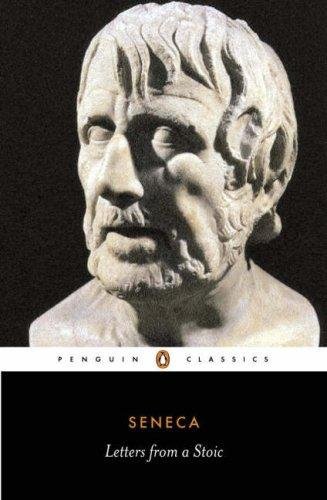
Letters from a Stoic
Practical letters from the Roman philosopher Seneca on friendship, time, fear and living well.
- Written c. 65 CE
- Demanding
- Philosophy and ideas
- 2 min analysis
As an Amazon Associate I earn from qualifying purchases.
Introduction
Seneca was a Roman philosopher, playwright and statesman who served as advisor to the emperor Nero. Late in his life he wrote a series of letters to his friend Lucilius, offering guidance on how to live well. Letters from a Stoic is a popular selection of these letters in English translation.
The letters cover friendship, wealth, death, anger, travel, time and philosophy as a way of life.
Who should read this book?
Readers interested in Stoicism, philosophy and practical wisdom, willing to engage with ancient texts.
Helps with: Calm stress and anxiety, Find purpose and direction
The central message
Philosophy is a practical guide to living. Value time, cultivate virtue, prepare for adversity and live simply.
Key ideas and concepts
Value your time
Seneca opens by urging Lucilius to claim himself and hold on to every hour, since time is the one thing truly ours, yet we waste it freely.
Rehearse adversity
He recommends occasionally living simply, with plain food and rough clothes, to see that what we fear is bearable.
True friendship
Friends should be chosen carefully, trusted fully and help each other become better.
Wealth and simplicity
Wealth isn't evil, but we should be able to lose it without losing ourselves.
Contemplate death
Reflecting on mortality helps us live fully and fear less.
Deeper analysis
Letters from a Stoic is warm, practical and strikingly modern. Seneca writes as a friend and fellow learner, often admitting his own failings, which makes his advice feel human rather than preachy. His reflections on time, friendship, anger, fear and death remain relevant, and many lines are endlessly quotable.
The letters reflect a Roman context, and some feel repetitive or digressive. Seneca's own life complicates his message: he was enormously wealthy and served the emperor Nero, which has led critics, ancient and modern, to question whether he lived up to his teachings. Read selectively, it's one of the richest sources of practical philosophy.
Practical applications
- Track how you spend your time.
- Practise living simply for a day.
- Write a letter to a friend.
- Reflect on mortality.
- Read one letter weekly.
Your 7-day action plan
- Day 1
Read the first letter, 'On saving time'.
- Day 2
Track how you spend your time today.
- Day 3
Practise simplicity: plain food and no luxuries for a day.
- Day 4
Write a thoughtful letter or message to a friend.
- Day 5
Reflect on mortality and what you'd change if time were short.
- Day 6
Read another letter and note one practical lesson.
- Day 7
Write which of Seneca's ideas you'll practise.
Outcomes to expect
What readers who apply this book can realistically take away from it:
- Greater appreciation of time
- Less fear through rehearsing adversity
- Deeper, more intentional friendships
- A practical philosophy for daily life
Strengths and limitations
Strengths
- Warm, personal and surprisingly modern
- Practical advice on time, fear and friendship
- Many memorable, quotable passages
- Accessible introduction to Stoic practice
Limitations
- Roman context and some repetitive letters
- Questions about Seneca's own wealth and conduct
- Better read selectively than straight through
Reflection questions
- How do you spend your time?
- What do you fear?
- Who are your true friends?
- How would you live if you remembered death?
Related books
Man's Search for Meaning
Viktor E. Frankl
Even in the worst conditions, we can choose our attitude and find meaning. One of the most influential books…
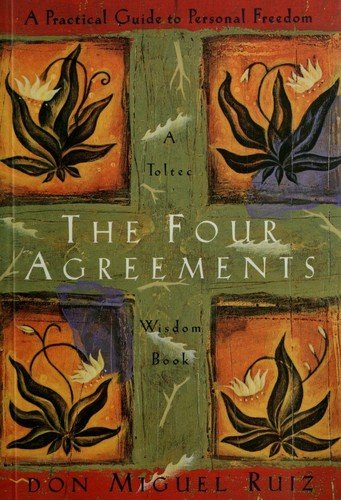
The Four Agreements
Don Miguel Ruiz
Four simple promises to yourself that can free you from a lot of unhappiness.


About the author
Explore the book
Read reviews, see formats (print, Kindle, audiobook) and check the current price.
See it on AmazonAs an Amazon Associate I earn from qualifying purchases.
Book details (title, author, year) are factual. Everything under the headings above is MindsetProdigy's own editorial analysis and interpretation, written to help you decide whether to read the book and how to apply it. It is not a substitute for reading the book itself. Last updated September 29, 2026.